Breathe Easy, Practice Clean: The Ultimate Guide to Cleaning Your Yoga Mat for Peak Performance and Hygiene

Your yoga mat is more than just a surface; it’s your sanctuary, your grounding point, and a silent witness to your physical and mental journey. However, with every sun salutation, downward dog, and savasana, it accumulates sweat, dirt, oils, and even bacteria. Maintaining a clean yoga mat isn’t just about aesthetics; it’s crucial for hygiene, longevity, and overall practice quality. But with various materials and cleaning methods, how do you know what’s best? This comprehensive guide will delve into the art and science of yoga mat cleaning, ensuring your mat remains a fresh, inviting space for your practice.
Understanding Your Mat’s Material: The Foundation of Effective Cleaning
Before diving into cleaning techniques, identifying your mat’s material is paramount. Different materials react differently to cleaning agents and methods.
Common yoga mat materials include:
- PVC (Polyvinyl Chloride): This is a popular, budget-friendly option known for its durability and stickiness. However, PVC can be porous and susceptible to absorbing oils and odors.
- TPE (Thermoplastic Elastomer): Often considered a more eco-friendly alternative to PVC, TPE is lightweight, recyclable, and offers good grip. However, it can be more delicate and prone to tearing.
- Natural Rubber: This material provides excellent grip and is biodegradable, making it a sustainable choice. However, natural rubber can have a distinct odor and may degrade with prolonged exposure to sunlight or oils.
- Cork: Naturally antimicrobial and offering excellent grip, cork mats are a sustainable and hygienic option. However, they can be more expensive and may require specific care.
- Jute: Made from natural fibers, jute mats offer a rustic feel and good grip. However, they can be less durable and more difficult to clean than synthetic materials.
- PU (Polyurethane): This material is known for its superior grip, even in sweaty conditions. PU mats are often more luxurious, but they can be delicate and require careful cleaning.
The Daily Post-Practice Wipe-Down: Your First Line of Defense
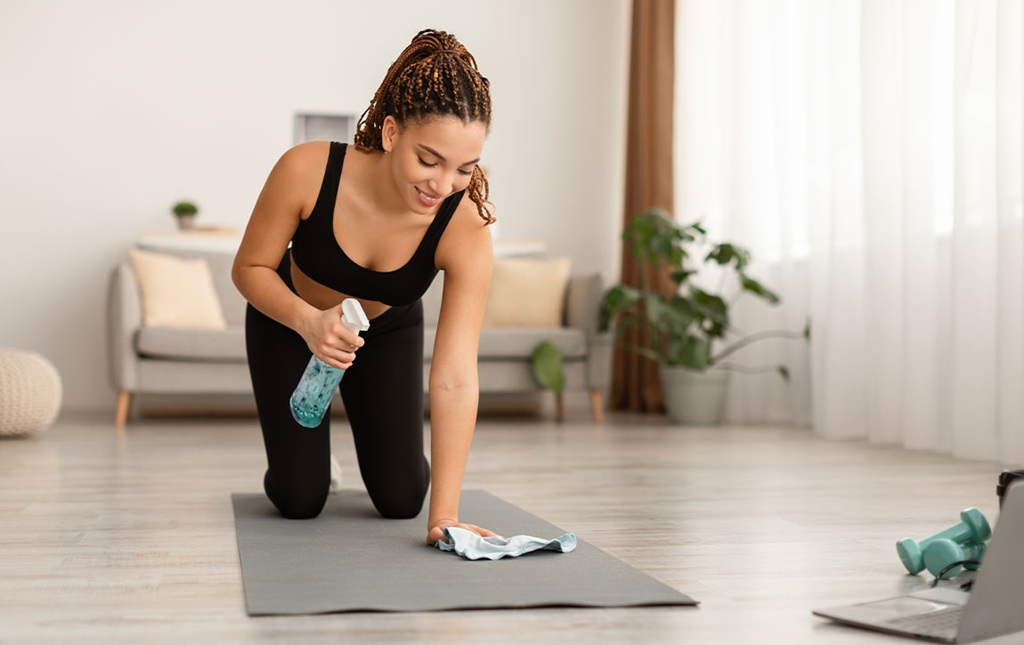
Consistent, light cleaning after each practice is the most effective way to prevent the buildup of sweat, oils, and bacteria. A simple wipe-down with a damp cloth or a dedicated yoga mat spray can make a significant difference.
- Damp Cloth: For a quick clean, use a clean, damp cloth (microfiber is ideal) to wipe down the entire surface of your mat, paying particular attention to areas where your hands and feet were placed.
- Yoga Mat Spray: A dedicated yoga mat spray, often containing essential oils like tea tree or lavender, provides a gentle yet effective cleaning solution. Spray the mat liberally and wipe it down with a clean cloth. Look for sprays that are alcohol-free and designed for your mat’s material.
Deep Cleaning: When a Simple Wipe Isn’t Enough
Even with daily wipe-downs, your mat will eventually require a deeper clean. How often you deep clean depends on your practice frequency and intensity.
- Frequency: For regular practitioners, a deep clean every two weeks is recommended. If you practice hot yoga or sweat heavily, you may need to clean your mat more frequently.
- Spot Cleaning: For specific stains or spills, spot cleaning is essential. Use a mild soap or a dedicated yoga mat cleaner and a soft cloth to gently scrub the affected area. Avoid harsh chemicals or abrasive scrubbers, which can damage the mat.
Related: Tips for cleaning and maintaining the shine of furniture
Methods for Deep Cleaning Your Yoga Mat:
- The Gentle Soap and Water Method:
- This method is suitable for most mat materials, especially PVC and TPE.
- Fill a bathtub or large sink with lukewarm water and add a small amount of mild dish soap or a gentle yoga mat cleaner.
- Submerge the mat and gently scrub it with a soft cloth or sponge.
- Rinse the mat thoroughly with clean water, ensuring all soap residue is removed.
- Lay the mat flat to dry, away from direct sunlight or heat.
- The Natural Cleaning Solution:
- For a more natural approach, create a cleaning solution using equal parts water and white vinegar or witch hazel.
- Add a few drops of essential oils like tea tree or lavender for their antimicrobial properties and pleasant scent.
- Spray the solution onto the mat and wipe it down with a clean cloth.
- For a deeper clean, let the solution sit for a few minutes before wiping it off.
- The Washing Machine Method (For Machine-Washable Mats):
- Some yoga mats, particularly those made from TPE or thin PVC, may be machine-washable.
- Always check the manufacturer’s instructions before machine washing your mat.
- Use a gentle cycle with cold water and a mild detergent.
- Do not use fabric softener, as it can leave a residue on the mat.
- Lay the mat flat to dry, away from direct sunlight or heat.
- Cleaning Natural Rubber and Cork Mats:
- Natural rubber and cork mats require special care due to their delicate nature.
- Avoid harsh chemicals or abrasive cleaners.
- Use a mild soap and water solution or a dedicated natural mat cleaner.
- Wipe the mat down with a damp cloth and allow it to air dry completely.
- For cork, a simple damp cloth is usually sufficient for regular cleaning. For deeper cleaning, a very diluted solution of vinegar and water can be used.
Drying Your Yoga Mat: A Crucial Step
Proper drying is essential to prevent mold and mildew growth.
- Air Drying: Lay the mat flat in a well-ventilated area, away from direct sunlight or heat.
- Avoid Direct Sunlight: Direct sunlight can cause the mat to fade, crack, or warp.
- Do Not Use a Dryer: Never put your yoga mat in a dryer, as the heat can damage the material.
- Ensure Complete Dryness: Make sure the mat is completely dry before rolling it up or using it again.
People Also Ask (FAQs):
- Q: Can I use essential oils to clean my yoga mat?
- A: Yes, essential oils like tea tree, lavender, and eucalyptus have antimicrobial properties and can be added to your cleaning solution. However, dilute them properly and avoid using them undiluted, as they can damage some mat materials.
- Q: How do I get rid of the sticky feeling on my yoga mat?
- A: A sticky feeling can be caused by sweat, oils, or residue from cleaning products. A deep clean with a mild soap and water solution, followed by thorough rinsing, can help remove the stickiness.
- Q: How do I get rid of the smell on my yoga mat?
- A: Natural rubber mats often have a distinct odor, which usually fades over time. For other mats, a cleaning solution with white vinegar or witch hazel and essential oils can help neutralize odors. Allow the mat to air dry completely.
- Q: Can I use bleach to clean my yoga mat?
- A: No, bleach is too harsh and can damage most yoga mat materials. Avoid using bleach or other harsh chemicals.
- Q: How do I store my yoga mat?
- A: Roll your mat loosely and store it in a cool, dry place, away from direct sunlight. Consider using a yoga mat bag to protect it from dust and dirt.
Related: How to clean polyester fabric couch?
Conclusion: A Clean Mat, A Clear Mind
Maintaining a clean yoga mat is an essential part of your yoga practice. By understanding your mat’s material and following the appropriate cleaning methods, you can ensure a hygienic and enjoyable practice for years to come. Remember, a clean mat contributes to a clear mind and a more fulfilling yoga experience. Invest the time and effort to care for your mat, and it will reward you with a comfortable, supportive, and fresh space for your practice.