Plan healthy senior meals in Miami by emphasizing electrolyte hydration, lean tropical proteins, and anti-inflammatory produce. In addition, reduce dietary sodium and incorporate soluble fiber sources into every breakfast and dinner. These simple nutritional adjustments protect cardiovascular wellness and maintain vitality across South Florida communities.
Miami’s tropical warmth and humidity impose distinctive nutritional and metabolic demands on aging bodies. Geriatric wellness research shows that forty percent of seniors experience blunted thirst sensation during hot summer months. Furthermore, regional health surveys indicate that sixty-eight percent of South Florida retirees manage elevated blood pressure.
Caregivers and active seniors require practical dietary frameworks to sustain heart health and daily energy. Establishing a balanced Diet for lowering cholesterol prevents arterial plaque buildup while nourishing aging bone density. Thoughtful menu planning transforms retirement dining into an enjoyable foundation for long-term health.
Key Takeaways
- Hydration Priority: Maintaining fluid and mineral intake prevents heat-related cardiovascular strain among older adults.
- Sodium Reduction Targets: Limiting processed foods keeps blood pressure within healthy clinical ranges safely.
- Soluble Fiber Incorporation: Daily oats, beans, and fresh citrus help bind and clear circulating cholesterol.
- Lean Protein Balance: Incorporating fish and poultry preserves critical muscle mass and prevents frailty.
- Culinary Heat Management: Light, chilled meals reduce metabolic digestive heat during warm Miami afternoons.
The Physiological Impact of Tropical Heat on Senior Nutrition
As humans age, the hypothalamic thirst response becomes less sensitive to mild dehydration. In Miami’s intense coastal humidity, older adults lose fluid and vital minerals through passive perspiration. Chronic mild dehydration thickens bloodstream viscosity and increases strain on aging heart muscles.
Furthermore, prolonged heat exposure often suppresses natural appetite among elderly individuals. Seniors frequently skip nutritious meals, leading to unintended weight loss and essential micronutrient deficiencies. Replacing heavy hot dishes with refreshing, nutrient-dense chilled meals restores adequate caloric and vitamin intake.
Digestive enzyme secretion also declines naturally with advancing age. Heavy, greasy foods cause uncomfortable bloating, heartburn, and erratic blood sugar swings. Designing lighter meals featuring steamed vegetables and lean proteins supports smooth digestive transit without gastrointestinal distress.
Building Wholesome Daily Schedules and Meaningful Activities
Nutritional health flourishes when integrated into an active, engaging daily retirement routine. Loneliness and isolation frequently lead seniors to neglect proper cooking habits and rely on processed snacks. Sharing mealtime with neighbors or family members elevates mood and encourages healthy eating patterns.
Spending meaningful free time engaging in community gardening or morning walking groups stimulates natural appetite. Regular social interaction lowers cortisol levels and promotes mindful dining habits. Consequently, seniors look forward to preparing and enjoying wholesome home-cooked meals.
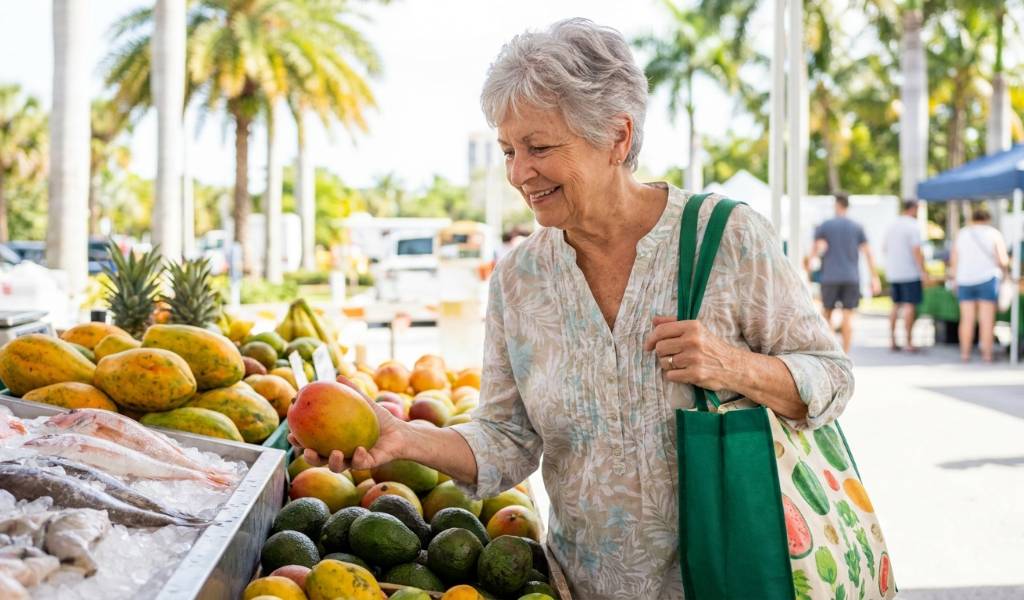
Encourage seniors to participate in light meal planning and grocery selection. Selecting fresh tropical fruits at local farmers markets stimulates cognitive focus and sensory enjoyment. Meaningful daily engagement turns healthy nutrition into an empowering, joyous lifestyle practice.
Home Kitchen Safety and Physical Meal Preparation
Cooking safety becomes increasingly important as eyesight and hand mobility change with age. Senior kitchens require ergonomic modifications to prevent kitchen burns, slip accidents, and knife cuts. Organizing countertops and using lightweight cookware eliminates unnecessary physical strain during daily food preparation.
Reviewing stroller safety mistakes protects infants. Similarly, eliminating home kitchen hazards protects aging seniors from painful injuries. Install non-slip rubber floor mats near the sink and prep counters. Place frequently used spices, oils, and grains on waist-level pantry shelves.
Invest in easy-grip ceramic knives, electric jar openers, and automated shut-off kettles. Pre-chopping tough vegetables with electric food processors protects arthritic finger joints from repetitive strain. Implementing thoughtful safety modifications allows seniors to cook with independence and confidence.
Restful Dining Environments and Home Comfort
The dining room environment exerts a powerful psychological influence over appetite and digestion. A calm, well-ventilated space with comfortable supportive seating promotes slow, thorough chewing. Good digestion begins with a relaxed body and pleasant surroundings.
Consulting a comprehensive pillow covers guide helps homeowners select breathable natural fabrics for dining chair cushions. Comfortable cotton and linen seat cushions reduce hip pressure during relaxed family meals. Adequate physical comfort encourages seniors to linger at the table and finish nutrient-dense portions.
Ensure dining spaces feature gentle, glare-free lighting and soft background music. Avoid having loud televisions broadcasting distressing news during meal hours. A serene atmosphere calms the nervous system and supports optimal nutrient absorption.
The Mediterranean-Floridian Senior Meal Plan
Combining Mediterranean cardioprotective principles with fresh local Florida produce creates an ideal senior diet. Local markets offer fresh pompano, red snapper, avocados, mangoes, and tender greens year-round. This culinary approach delivers rich omega-3 fatty acids and powerful antioxidants without excess saturated fat.
Structure meals around colorful plant foods, whole grains, and lean seafood proteins. Use cold-pressed extra virgin olive oil as the primary cooking fat to nourish arterial walls. Incorporate fresh garlic and citrus juices to enhance flavor without adding harmful table salt.
| Meal Occasion | Recommended Senior Dish | Cardiovascular and Health Benefit |
|---|---|---|
| Morning Breakfast | Steel-cut oatmeal with blueberries and walnuts | Soluble fiber lowers LDL; omega-3s reduce inflammation |
| Midday Lunch | Chilled grilled salmon over mixed field greens | Lean marine protein and potassium for blood pressure |
| Afternoon Snack | Low-fat plain Greek yogurt with fresh papaya | Probiotics for gut health and calcium for bone strength |
| Evening Dinner | Baked snapper with roasted zucchini and quinoa | Light digestion; magnesium supports restful sleep |
Dangerous Senior Dietary Mistakes to Avoid
Avoid relying on commercial canned soups and processed frozen microwave dinners. These convenience foods contain massive sodium concentrations that trigger fluid retention and elevate blood pressure rapidly. Prepare homemade vegetable broths in large batches and freeze individual portions for easy heating.
Do not substitute sugary fruit juices for whole fresh fruits. Fruit juices strip away beneficial dietary fiber and cause rapid blood glucose surges. Whole fruits like oranges and berries deliver essential fiber that moderates sugar absorption and sweeps away cholesterol.
Never ignore subtle prescription drug and nutrient interactions when planning meals. For example, grapefruit compounds interfere with common cholesterol-lowering statin medications and blood pressure therapies. Review all dietary changes with a licensed physician or registered dietitian before introducing new foods.
Senior Nutrition and Hydration Daily Checklist
Consistent daily habits ensure older adults maintain optimal hydration and vitality in South Florida. Caregivers and seniors can track essential wellness milestones using a straightforward daily routine. Follow this practical checklist every day to sustain peak nutritional health:
- Drink a tall glass of cool water immediately upon waking every morning.
- Include at least one serving of soluble fiber with breakfast.
- Incorporate colorful fresh vegetables and healthy fats into lunch and dinner.
- Season dishes with fresh herbs, garlic, and citrus rather than salt.
- Take a ten-minute digestive stroll in shaded outdoor areas after dinner.
- Ensure dinner is completed at least two hours before bedtime for sound sleep.
Conclusion
Planning healthy senior meals in Miami requires prioritizing deep hydration, soluble fiber, and lean proteins. Adapting Mediterranean nutritional principles to fresh tropical ingredients protects aging cardiovascular systems effectively. Creating safe, supportive kitchens and peaceful dining rooms turns daily meals into joyous occasions.
Take proactive control of senior wellness and transform your dining habits today. Introduce fresh tropical fruits and heart-healthy fish into your weekly grocery basket right now. Empower older adults with the wholesome nutrition they need for long, vibrant lives.
Frequently Asked Questions
Why do seniors need extra hydration in Miami even when they do not feel thirsty?
Aging diminishes natural thirst sensation, leaving seniors vulnerable to dangerous dehydration in humid tropical heat.
What are the best low-sodium flavor enhancers for senior meals?
Fresh lime juice, garlic, ginger, and aromatic garden herbs deliver bold flavors without raising blood pressure.
How does soluble fiber help lower cholesterol levels in older adults?
Soluble fiber binds to cholesterol particles in the digestive tract, moving them safely out of the body.
Are chilled meals better than hot meals for seniors in warm climates?
Chilled meals prevent post-eating metabolic overheating and stimulate healthy appetite during hot Miami afternoons.
Why should seniors avoid consuming grapefruit with certain cardiac medications?
Grapefruit contains compounds that block liver enzymes, causing dangerous medication accumulation in the bloodstream.