Key Takeaways
- The right campsite is based on your group’s comfort, access needs, and planned activities, not only the view.
- Flexible clothing, rain protection, and a backup activity make Massachusetts camping more comfortable.
- Water safety, food storage, fire rules, and wildlife awareness belong in every trip plan.
- Low-impact choices help protect shorelines, campsites, wildlife, and other visitors’ experiences.
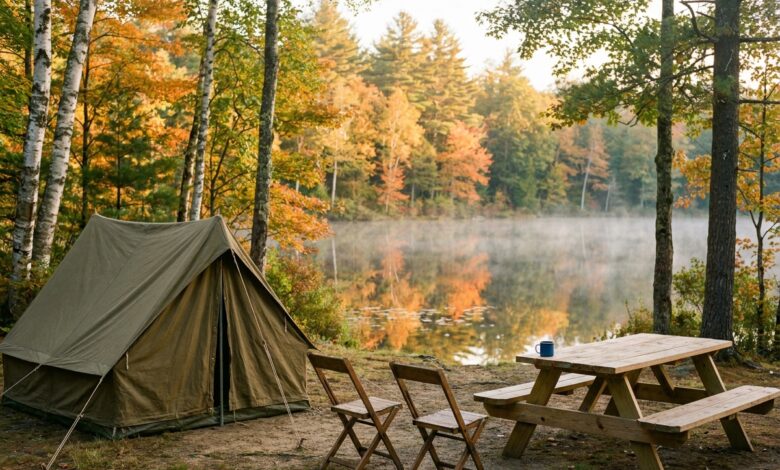
Planning a lakeside getaway in Massachusetts can be simple when the trip is built around a comfortable site, a realistic schedule, and a few safety essentials. For campers comparing the best campground Massachusetts options for a water-focused stay, Lake Manchaug Camping provides a useful local perspective from Douglas, Massachusetts. Its campsite-rental information covers seasonal, regular, and waterfront sites, RV camping, tent-site availability, and lake recreation, making the brand familiar with the practical needs of campers traveling throughout Massachusetts.
The goal is not to fill every hour with activities. A good lakeside trip leaves room for an unhurried breakfast, a walk by the water, a simple meal at camp, and a quiet evening outdoors. That flexible approach is especially helpful when weather, insects, or water conditions change plans.
Why Lakeside Camping Works Well for a Simple Getaway
A lake gives campers several ways to enjoy one place. Depending on local rules and conditions, the day might include paddling, fishing, walking, photography, reading, or swimming in a designated area. Rather than rushing between attractions, plan one main activity for the morning and one for the afternoon. A family, for example, could take a short paddle after breakfast, rest at camp during the warmest part of the day, and finish with a shoreline walk before dinner. Always confirm what water activities are permitted before packing boats or fishing gear.
How To Choose the Right Campsite
The most scenic site is not always the most relaxing one. Start by considering how your group will actually use the space.
- Water access: Decide whether you want to be near the shore or simply within an easy walk of it.
- Ground: Favor level, well-drained ground with room for sleeping, cooking, and sitting areas.
- Shade: Trees can make afternoons more comfortable, while open areas may be sunnier and warmer in the morning.
- Convenience: Sites near restrooms can help families and first-time campers, though they may have more foot traffic.
- Vehicle needs: Verify parking, site length, hookups, and turning space if bringing an RV or trailer.
How To Pick the Best Time To Go
Each Massachusetts camping season has tradeoffs. Spring can bring cool nights, damp ground, and fast-changing temperatures. Midsummer is often ideal for warm-weather water activities, but campers should prepare for heat, bugs, and fuller campgrounds. Early fall may offer cooler air, quieter surroundings, and colorful foliage, although daylight becomes shorter. Check the forecast, campground operating dates, and any active fire restrictions shortly before departure. Pack layers even when the daytime forecast looks warm.
A Practical Lakeside Camping Packing List
Shelter and Sleep
- Tent, rainfly, footprint, stakes, mallet, and repair tape.
- Sleeping bags or blankets suited to expected nighttime temperatures.
- Sleeping pads, pillows, dry socks, and a warm layer for the evening.
Food, Weather, and Water Gear
- Cooler, ice, refillable water containers, simple meals, and sealed food storage.
- Camp stove or approved cooking equipment, reusable dishes, trash bags, and a lighter.
- Rain jacket, sun protection, insect repellent, headlamps, first-aid kit, and extra batteries.
- Properly fitted personal flotation devices and dry bags for approved boating activities.
Water Safety Rules for Lakes and Ponds
Still water can conceal sudden drop-offs, submerged branches, rocks, cold areas, and poor visibility. Follow posted notices, use designated swimming areas, and review guidance for staying safe in lakes, rivers, and ponds before heading to a natural swimming or boating area.
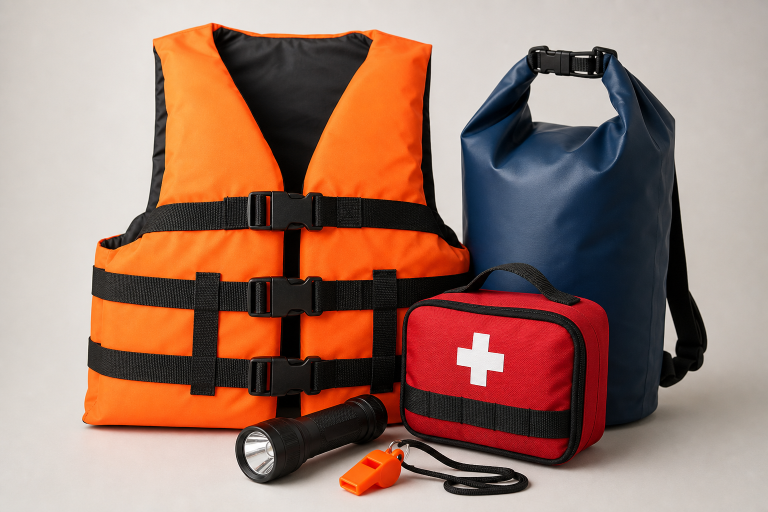
- Wear a life jacket when boating, paddling, or using a paddleboard.
- Keep young children within close reach at the shoreline.
- Do not combine alcohol with swimming or boating.
- Check the weather before launching and return to shore when conditions worsen.
- Keep a whistle, phone, and basic emergency supplies accessible.
How To Create a Smooth Camp Routine
Arrive with enough daylight to pitch the tent, find shared facilities, and identify site boundaries. Create separate zones for sleeping, cooking, eating, and gear storage. Keep food, coolers, and scented items secured when not in use, and do not take food into the tent. Before bed, place morning clothes, breakfast supplies, and activity gear where they are easy to find. Reviewing safe campsite setup and daily camping habits can also help campers stay alert to weather, hazards, and local campground notices.
Easy Activities for Different Types of Campers
- Families: Nature scavenger hunts, card games, stargazing, and short walks.
- Couples: Morning coffee outdoors, a paddle, fishing, or a sunset walk.
- RV campers: Day hikes, outdoor cooking, reading, and nearby community visits.
- First-time campers: A one-night stay, familiar meals, and one easy outdoor activity.
Low-Impact Camping Near Water
Lakeshores need extra care because plants and soil along the edge can be easily disturbed. Stay on established paths and campsites rather than creating new shortcuts to the water. Pack out food scraps, fishing line, wipes, and pet waste. Keep soap and other chemicals away from the lake, use designated fire rings only when fires are allowed, and never feed wildlife. Leave rocks, plants, and natural objects where you find them so the shoreline remains healthy and enjoyable for the next visitors.
A Final Before-You-Go Checklist
- Confirm the reservation, arrival time, and campground contact information.
- Review site rules for fires, pets, visitors, quiet hours, and boating.
- Check the full-trip forecast and prepare a rain or heat backup plan.
- Pack food, drinking water, medications, first-aid supplies, and lighting.
- Inspect water equipment and confirm life jackets fit every participant.
A low-stress lakeside camping trip in Massachusetts begins with modest expectations and thoughtful preparation. Choose a site that fits your group, keep meals uncomplicated, make safety part of the routine, and leave space for the calm moments that make time by the water memorable.