Imagine stepping onto your balcony and feeling instant calm. A Japanese Zen garden for your small balcony brings that peace. These gardens, rooted in Zen Buddhist principles, create tranquil spaces using natural materials. Even in a tiny urban area, you can craft a meditation area that reflects the wabi-sabi aesthetic of simplicity and imperfection. According to a 2021 study by the University of Tokyo, exposure to natural elements like plants and water reduces stress by 20%. The Portland Japanese Garden, a global benchmark, shows how small spaces can embody Zen principles. This article guides you to build your own serene retreat.
What Is a Japanese Zen Garden?
A Japanese Zen garden, or rock garden, focuses on simplicity and balance. Originating in the Muromachi period, these gardens reflect Zen Buddhist principles. They use raked gravel, white gravel, or raked sand to mimic water, paired with rocks and plants like Japanese maples or Bonsai trees. The goal? Create a space for meditation and reflection. For a small balcony, this means blending natural materials with minimalist design to maximize calm in limited space.
Why Build a Zen Garden on Your Balcony?
Urban life often feels chaotic. A Japanese Zen garden offers a sanctuary. It’s perfect for small spaces like balconies or window wells. These gardens promote mindfulness, reduce stress, and add beauty. A 2020 report from Japan’s Ministry of Health found that 15 minutes in a natural setting lowers cortisol levels by 15%. Plus, a balcony Zen garden boosts your home’s aesthetic with elements like bamboo fences or a Buddha statue.
Planning Your Japanese Zen Garden
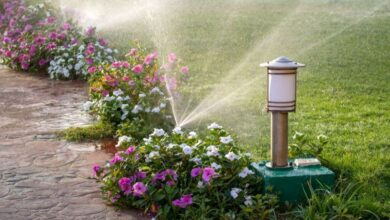
Before you start, assess your balcony. Measure the space, note sunlight, and consider wind exposure. Most balconies are compact, so prioritize container gardens or vertical elements. Think about Zen principles: simplicity, naturalness, and tranquility. Sketch a layout including stepping stones, a water feature, or ornamental grasses. Takuma Tono, a renowned landscape architect, emphasizes balance in design. Design your space with low-maintenance plants and sturdy materials to make upkeep a breeze. Consider incorporating Smart Irrigation Solutions to effortlessly keep your garden thriving!
Key Elements to Include
- Raked Gravel or Sand: Mimics water with calming patterns. Use white gravel for brightness.
- Rocks: Symbolize mountains or islands. Place them asymmetrically for harmony.
- Japanese Plants: Choose Japanese maples, Magnolia stellata, or Bonsai trees for authenticity.
- Bamboo Fencing: Adds privacy and a natural border.
- Stone Lantern: Provides soft lighting and traditional charm.
- Water Feature: A small fountain or koi fish bowl adds soothing sounds.
Step-by-Step Guide to Building Your Zen Garden

Follow these steps to create a Japanese Zen garden on your balcony. Each step ensures practicality and aligns with Zen principles.
- Clear the Space
Remove clutter. Keep only essential furniture. A clean balcony sets the stage for calm. - Lay the Foundation
Use white gravel or raked sand as the base. Spread it evenly in a shallow tray or directly on the floor. Rake simple patterns to mimic rippling water. - Add Rocks and Stepping Stones
Place rocks thoughtfully. Vary sizes for balance. Add stepping stones to guide movement, enhancing the meditative feel. - Incorporate Plants
Choose low-maintenance Japanese plants. Japanese maples offer vibrant color. Bonsai trees add elegance. Magnolia stellata blooms beautifully in small spaces. Use container gardens for flexibility. - Install a Water Feature
A small water fountain or koi carp bowl adds tranquility. The sound of trickling water enhances the Zen vibe. Ensure it’s lightweight for balcony safety. - Add Decorative Elements
Include a stone lantern or Buddha statue for spiritual roots. Bamboo fences or string lights create ambiance. Cloud pruning on small shrubs adds a sculpted look. - Maintain Simplicity
Avoid overcrowding. Embrace the wabi-sabi aesthetic: less is more. Every element should serve a purpose.
Choosing the Right Plants
Plants define a Japanese Zen garden. Select species that thrive in small spaces and align with the Japandi design style, blending Japanese and Scandinavian minimalism. Here are top picks:
- Japanese Maple: Vibrant red leaves add color. Grows well in pots.
- Bonsai Trees: Compact and symbolic. Require regular trimming.
- Magnolia Stellata: Star-shaped flowers bloom in spring. Fits small containers.
- Ornamental Grasses: Soft textures complement rocks. Low maintenance.
- Bamboo: Use in pots or as fencing for privacy.
Check your balcony’s sunlight. Japanese maples need partial shade, while grasses tolerate full sun. Water sparingly to mimic the dry mountain water aesthetic of Zen gardens.
Incorporating Water Features
Water features bring life to your balcony garden. A small water fountain or koi fish bowl creates soothing sounds. For tiny spaces, try a tabletop fountain. Ensure proper drainage to avoid balcony damage. Koi carp, though beautiful, need careful maintenance. Embrace the tranquility of a simple water feature, perfectly aligned with Zen minimalist principles, to amplify your meditation experience. Dive into our Monstera Plant Care guide to discover tips and tricks for nurturing these gorgeous, leafy companions!
Decor and Accessories
Decor ties your garden together. A stone lantern adds traditional charm and soft lighting. Bamboo fencing offers privacy and a natural look. String lights create a cozy evening vibe. A Buddha statue grounds the space spiritually. For a modern twist, blend Japandi design with clean lines and neutral tones. Avoid over-decorating to maintain Zen calm.
Maintaining Your Zen Garden
Zen gardens are low-maintenance but need care. Rake gravel weekly to refresh patterns. Trim Bonsai trees or cloud-pruned shrubs monthly. Water plants sparingly, checking soil moisture. Clean water features to prevent algae. Remove fallen leaves to keep the space tidy. Regular upkeep ensures your balcony remains a peaceful retreat.
Blending Zen with Urban Life
City life can feel overwhelming. A Japanese Zen garden counters this. It transforms window wells or small balconies into oases. Public spaces like the Portland Japanese Garden inspire compact designs. Add a meditation area with a cushion or small bench. Practice mindfulness daily to connect with the garden’s spiritual roots.
Tips for Small Balcony Success
- Use Vertical Space: Install shelves for plants or lanterns.
- Choose Lightweight Materials: Avoid heavy rocks or large fountains.
- Incorporate Containers: Pots maximize flexibility.
- Add a Rain Gauge: Track weather for plant care.
- Embrace Feng Shui: Balance elements for harmony.
Conclusion
A Japanese Zen garden for your small balcony brings peace to urban life. With raked gravel, Japanese maples, and a water feature, you create a serene retreat. Follow Zen principles of simplicity and balance. Start small, use natural materials, and maintain regularly. Transform your balcony into a meditation haven. Begin planning your garden today for a calmer tomorrow.
FAQs
What is the best plant for a small balcony Zen garden?
Japanese maples or Bonsai trees work well. They’re compact, vibrant, and align with Zen aesthetics.
How do I maintain raked gravel on a balcony?
Rake weekly to refresh patterns. Remove debris to keep it clean and serene.
Can I add a water feature to a small balcony?
Yes. Use a lightweight tabletop fountain or koi bowl. Ensure proper drainage.
How do I incorporate Zen principles into my balcony?
Focus on simplicity, natural materials, and balance. Avoid clutter and embrace wabi-sabi.
What is the Japandi design style in Zen gardens?
Japandi blends Japanese minimalism with Scandinavian functionality. Use clean lines, neutral tones, and natural elements.
References:
- University of Tokyo, 2021 Study on Nature and Stress: https://www.u-tokyo.ac.jp/en/
- Japan Ministry of Health, 2020 Cortisol Report: https://www.mhlw.go.jp/english/
- Portland Japanese Garden: https://japanesegarden.org/