Waking up with neck pain can turn a good night’s sleep into a frustrating experience. Many people assume they need to spend hundreds of dollars on specialty pillows to find relief. However, you can absolutely find an affordable pillow that supports your neck properly and reduces pain without breaking the bank.
The key is understanding what features actually matter for neck support and which ones are just marketing hype. This guide will walk you through everything you need to know about selecting a budget-friendly pillow that addresses your neck pain. You’ll learn about different materials, shapes, and features that make a real difference in comfort and pain relief.
By the end of this article, you’ll have the knowledge to make an informed decision and invest your money wisely. Finding the right pillow doesn’t have to be expensive when you know exactly what to look for.
Understanding Why Your Pillow Matters
Your pillow plays a crucial role in maintaining proper spinal alignment while you sleep. When your head and neck are positioned correctly, your muscles can relax completely. This relaxation allows your body to recover from the day’s activities.
Poor pillow support forces your neck muscles to work throughout the night. They strain to maintain your head position, never getting the rest they need. Over time, this constant tension leads to chronic pain, stiffness, and even headaches.
The wrong pillow height creates problems regardless of your sleeping position. A pillow that’s too high pushes your head forward, straining the back of your neck. A pillow that’s too low allows your head to tilt backward or to the side, stressing different muscle groups.
Additionally, old pillows lose their supportive properties. The materials compress and break down, creating uneven surfaces that no longer maintain proper alignment. Even a pillow that once worked perfectly can become a source of pain after a year or two of use.
Understanding these basics helps you evaluate pillows more effectively. You’re not just looking for something soft or comfortable in the store. You need a pillow that maintains specific alignment throughout the entire night.
What Makes a Cervical Pillow Different
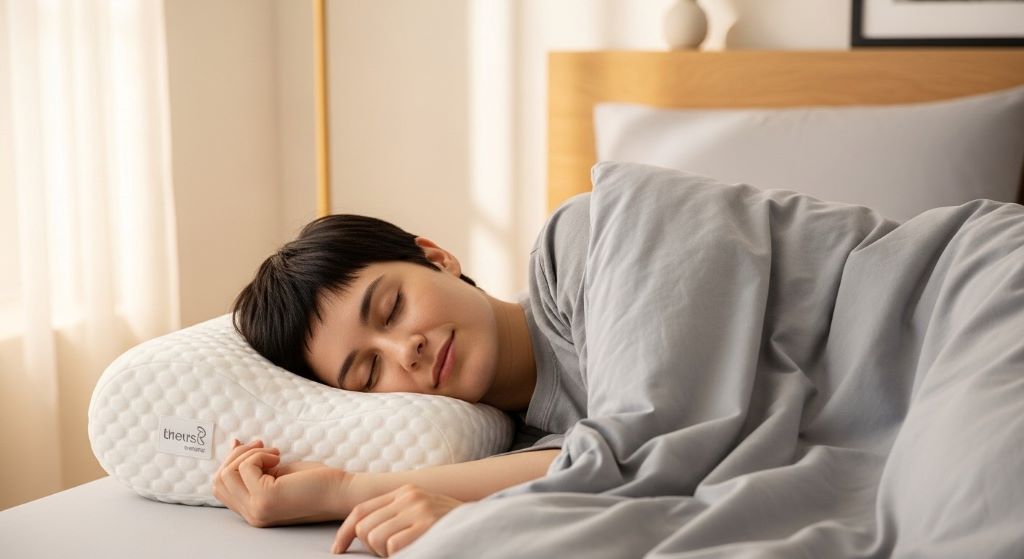
A cervical pillow is specifically designed to support the natural curve of your neck. Unlike standard rectangular pillows, these specialized options feature contoured shapes that cradle your head while supporting your neck’s natural inward curve.
The design typically includes a depression for your head and a raised section that fits under your neck. This configuration maintains the proper cervical spine alignment that helps reduce muscle tension and pain. The support keeps your neck in a neutral position rather than bending forward or backward.
However, cervical pillows come in various price ranges. The expensive versions often include premium materials or adjustable features. Budget-friendly options use simpler materials but can provide the same basic support structure that matters most for pain relief.
What you’re paying for in higher-priced models often involves luxury rather than necessity. Features like cooling gel layers, organic materials, or lifetime warranties add to the cost. While these extras are nice, they’re not essential for addressing neck pain.
Therefore, you can find affordable cervical pillows that deliver the core benefit of proper neck support. Focus on the fundamental shape and firmness rather than getting distracted by premium add-ons you may not need.
Key Features of an Ergonomic Pillow
An ergonomic pillow adapts to your body’s natural contours and sleeping position. These pillows prioritize function over aesthetics, focusing on what actually supports healthy sleep posture.
The loft, or height, of the pillow is perhaps the most important feature. Different sleeping positions require different loft heights. Side sleepers generally need higher lofts to fill the space between their shoulder and head. Back sleepers require medium loft, while stomach sleepers need the lowest loft possible.
Firmness levels vary based on materials and personal preference. Your pillow should be firm enough to maintain its shape and support throughout the night. However, it should also have enough give to conform to your head and neck contours without creating pressure points.
Breathability affects your comfort during sleep. Materials that trap heat can cause you to wake up sweating or constantly readjust your position. Good airflow keeps you comfortable and prevents sleep disruptions.
Shape retention determines how long your pillow continues providing proper support. Budget pillows may flatten more quickly than expensive options. Nevertheless, many affordable materials still offer decent longevity with proper care.
Adjustability allows you to customize the pillow to your needs. Some budget-friendly options include removable inserts that let you modify the height. This feature provides excellent value because one pillow can work for multiple sleeping positions.
Budget-Friendly Materials That Work
Understanding pillow materials helps you identify good values when shopping on a budget. Different fills offer various benefits, and knowing these differences prevents you from overpaying for features you don’t need.
Memory foam is a popular choice that conforms to your shape while providing support. Traditional memory foam can trap heat, but many budget versions now include ventilation holes or cooling additives. You can find quality memory foam pillows at reasonable prices, especially from newer online brands.
Shredded memory foam offers more adjustability than solid foam. You can add or remove fill to achieve your ideal loft. This material also tends to sleep cooler than solid memory foam because air can circulate between the pieces. Many affordable options use this fill.
Polyester fiberfill is the most budget-friendly option. While it doesn’t conform as well as memory foam, quality polyester pillows can still provide adequate support. Look for pillows with higher fill weights, as they maintain their shape better than cheaper, lightweight versions.
Latex provides excellent support and durability. Natural latex costs significantly more than synthetic versions, but synthetic latex still offers good support at a fraction of the price. It’s naturally breathable and resists dust mites.
Buckwheat hulls create a unique, adjustable pillow that stays cool. These pillows make some noise when you move, which bothers some people. However, they’re highly adjustable and reasonably priced considering their longevity.
Combination fills blend materials to balance cost and performance. A pillow might use a memory foam core with polyester filling around it. These hybrids often provide good support at lower prices than pure memory foam options.
Determining the Right Pillow Height for Your Sleep Position
Your preferred sleeping position determines what pillow height will maintain proper alignment. Getting this right is more important than any other feature when addressing neck pain.
Side sleepers need the highest pillows because there’s more distance between the mattress and their head. Your pillow should fill the space from your shoulder to your head completely. Measure from the point of your shoulder to the side of your head while lying down to get an idea of the height you need.
Back sleepers require medium-height pillows that support the natural curve of the neck without tilting the head too far forward. Your ear should align roughly with your shoulder when lying on your back. If your chin points toward your chest, the pillow is too high.
Stomach sleepers need very flat pillows or no pillow at all. This position already strains the neck by forcing it to turn to one side. A thick pillow compounds the problem by adding an upward bend. Consider transitioning to side or back sleeping if possible.
Combination sleepers who change positions throughout the night face the biggest challenge. An adjustable pillow with removable inserts works best for you. Alternatively, consider having two different pillows and switching based on your starting position.
Testing pillow height at home is easier than in a store. Many budget brands offer trial periods. Take advantage of these to ensure the height works for you across several nights. Your neck needs time to adjust to proper alignment if you’ve been using the wrong pillow.
Shopping Smart on a Limited Budget
Finding a quality pillow while spending less requires strategic shopping. Knowing when and where to buy makes a significant difference in what you can afford.
Online retailers often offer better prices than brick-and-mortar stores. They have lower overhead costs and can pass savings to customers. Additionally, online shopping gives you access to customer reviews that provide real-world feedback about longevity and pain relief.
Compare prices across multiple platforms before purchasing. The same pillow might cost significantly different amounts on various websites. Check the manufacturer’s site, large retailers, and discount sites to find the best deal.
Look for sales during major shopping holidays. Presidents Day, Memorial Day, and Black Friday typically feature significant discounts on bedding products. Many brands also offer sales at the end of each season.
Consider lesser-known brands that focus on value rather than marketing. Big-name brands spend heavily on advertising, which increases their prices. Smaller companies often produce comparable quality at lower costs because they rely on word-of-mouth rather than expensive marketing campaigns.
Read reviews carefully, focusing on comments about durability and pain relief rather than just comfort. A pillow that feels comfortable in the store might not provide adequate support for pain relief. Look for reviewers who mention waking up without neck pain after switching pillows.
Check return policies before buying. A generous return policy protects your investment if the pillow doesn’t work for you. Many online pillow companies offer 30 to 100-night trial periods, giving you ample time to determine if it helps your neck pain.
Signs a Budget Pillow Offers Good Value
Not all affordable pillows are created equal. Learning to identify quality markers helps you distinguish good values from cheap products that won’t last.
Examine the cover material and construction. Quality stitching and durable fabric indicate a pillow built to last. Thin, flimsy covers often house low-quality fill that will flatten quickly.
Check the fill weight for polyester pillows. Higher weights generally indicate more material and better long-term support. A standard-size pillow should weigh at least 1.5 to 2 pounds for adequate fill.
Look for pillows with removable, washable covers. This feature extends the pillow’s life by allowing you to keep it clean without washing the entire pillow repeatedly. Washing the fill too often breaks it down faster.
Warranty information reveals manufacturer confidence. Even budget pillows should include at least a one-year warranty. Companies that stand behind their products typically produce better quality items.
Density matters for memory foam pillows. Higher-density foam provides better support and lasts longer. Look for density ratings of at least 3 to 4 pounds per cubic foot for budget memory foam options.
Customer service responsiveness indicates overall company quality. Before purchasing, send a question to customer service and gauge their response time and helpfulness. Companies that invest in good service usually care about product quality too.
Common Mistakes to Avoid When Shopping
Even with a limited budget, certain mistakes can waste your money on pillows that won’t help your neck pain. Avoiding these pitfalls ensures your investment provides actual relief.
Don’t assume expensive means better. Price doesn’t always correlate with quality or pain relief. Some premium pillows charge for branding rather than superior materials or design. Focus on features that matter rather than price tags.
Avoid buying based solely on store testing. Lying on a pillow for two minutes in a store tells you nothing about how it will feel after eight hours. The initial comfort might not translate to proper support throughout the night.
Don’t ignore your mattress condition. A worn-out mattress undermines even the best pillow. If your mattress sags or has lost its support, address that issue first. Otherwise, you’ll continue experiencing neck pain regardless of your pillow choice.
Skip pillows without adequate loft for your sleeping position. The flattest option might seem budget-friendly, but it won’t help side sleepers. Buying the wrong type wastes money even if the price is low.
Avoid keeping pillows too long. Even budget pillows deserve replacement when they lose support. Continuing to use a flattened pillow because you’re trying to save money actually costs more in terms of pain and poor sleep quality.
Don’t overlook proper pillow care. Failing to use pillow protectors or wash covers regularly shortens your pillow’s lifespan. Proper maintenance helps budget pillows last longer, providing better value over time.
Maximizing Your Pillow’s Lifespan
Making your pillow last as long as possible stretches your budget further. Simple care habits significantly extend the useful life of affordable pillows.
Use a pillow protector beneath your pillowcase. This barrier keeps body oils, sweat, and dead skin from penetrating the pillow. Protectors are inexpensive and dramatically reduce how quickly your pillow degrades.
Wash your pillow according to manufacturer instructions. Most polyester and some memory foam pillows can be machine washed. Regular cleaning prevents buildup that breaks down materials and creates odors.
Fluff your pillow daily. This simple habit redistributes fill material and maintains the pillow’s shape. Shaking and kneading the pillow takes seconds but prevents premature flattening.
Rotate your pillow weekly. Using different areas of the pillow distributes wear evenly. This practice is especially important for contoured pillows where you might naturally favor one orientation.
Store spare pillows properly if you have backups. Keep them in breathable storage bags in a cool, dry place. Avoid compressed storage that can permanently deform pillow materials.
Replace your pillow every one to two years. Budget pillows typically last one to two years with proper care. Mark your calendar when you purchase a new pillow so you remember to evaluate it regularly.
Additional Strategies for Neck Pain Relief
While finding the right pillow is crucial, combining it with other strategies provides the best results. These complementary approaches don’t cost much but significantly enhance pain relief.
Maintain proper sleeping posture beyond just your pillow. If you’re a side sleeper, place a pillow between your knees to keep your spine aligned. Back sleepers can put a small pillow under their knees to reduce lower back strain.
Perform gentle neck stretches before bed. Simple movements that release tension in your neck and shoulders prepare your muscles for rest. Spend just five minutes stretching to notice improvements in morning stiffness.
Adjust your sleep environment temperature. Keeping your bedroom cool helps you sleep more soundly and move less during the night. Excessive movement can shift you out of proper alignment despite having the right pillow.
Consider your daytime posture and activities. Poor desk ergonomics or phone usage patterns create neck tension that carries into your sleep. Addressing these daytime habits enhances the benefits of your supportive pillow.
Stay hydrated throughout the day. Dehydration affects the discs in your spine, making them less effective shock absorbers. Proper hydration supports overall spinal health, including your neck.
Manage stress through relaxation techniques. Tension from stress tightens neck muscles, contributing to pain. Practicing deep breathing or meditation before bed helps your muscles fully relax during sleep.
When to Seek Professional Help
Sometimes neck pain requires more than a better pillow. Recognizing when to consult a healthcare provider prevents minor issues from becoming chronic problems.
Persistent pain lasting more than a few weeks despite pillow changes warrants medical attention. Your neck pain might stem from underlying conditions that need professional treatment rather than just better sleep support.
Radiating pain, numbness, or tingling in your arms or hands indicates potential nerve involvement. These symptoms require immediate medical evaluation. A pillow won’t resolve nerve compression or damage.
Pain accompanied by headaches, dizziness, or vision changes could signal serious issues. Don’t attempt to self-treat these symptoms with pillow adjustments alone.
Difficulty moving your neck through its normal range of motion suggests problems beyond simple muscle tension. Limited mobility might indicate injury or structural issues requiring professional intervention.
Physical therapists can provide specific exercises and stretches tailored to your situation. They can also evaluate whether your pillow choice supports your recovery or hinders it.
Evaluating Results After Your Purchase
Once you’ve selected and started using a new pillow, proper evaluation ensures it’s actually helping your neck pain. Give yourself time to adjust while monitoring specific indicators.
Allow at least one to two weeks for adjustment. Your neck muscles need time to adapt to proper alignment if they’ve been compensating for poor support. Initial discomfort doesn’t necessarily mean the pillow is wrong.
Keep a simple pain journal tracking your neck pain levels each morning. Rate your pain on a scale of one to ten. This record helps you objectively determine whether the pillow is making a difference.
Note any changes in sleep quality. Better sleep often accompanies reduced neck pain as your muscles finally rest properly. Waking less frequently or feeling more refreshed suggests improvement.
Pay attention to daytime symptoms. Reduced headaches, less stiffness during the day, and improved focus can all indicate that your pillow is supporting better sleep and recovery.
If pain increases or new discomfort develops, reassess the pillow height and firmness. You might need to adjust removable inserts or try a different loft altogether.
Conclusion
Choosing the right pillow for neck pain on a budget is entirely achievable when you understand what features actually matter. A cervical pillow or ergonomic pillow designed to support your neck’s natural curve doesn’t have to cost a fortune. Focus on finding the appropriate height for your sleeping position, a supportive material that suits your preferences, and a design that maintains proper spinal alignment.
Shopping strategically by comparing prices, reading reviews carefully, and taking advantage of trial periods protects your investment. Remember that expensive doesn’t always mean better, and many affordable options provide excellent neck support. The key is matching the pillow’s characteristics to your specific needs rather than chasing premium features you don’t require.
Proper care and maintenance extend your budget pillow’s lifespan, providing better long-term value. Combine your new pillow with good sleep habits, appropriate stretching, and awareness of daytime posture for maximum pain relief. Monitor your results objectively and don’t hesitate to make adjustments or seek professional help if needed.
With the information in this guide, you’re equipped to make a smart, budget-conscious decision that addresses your neck pain effectively. The right pillow is an investment in your health and sleep quality that pays dividends every single night.
Frequently Asked Questions
How long should I try a new pillow before deciding if it works?
Give your new pillow at least one to two weeks for a fair evaluation. Your neck muscles need time to adjust to proper alignment, especially if you’ve been using inadequate support for a while. Some initial discomfort is normal as your body adapts. However, if pain significantly increases or you develop new symptoms after two weeks, the pillow likely isn’t right for you.
Can I fix neck pain with just a pillow change?
A proper pillow can significantly reduce or eliminate neck pain caused by poor sleep posture. However, if your pain stems from injury, medical conditions, or severe daytime posture issues, a pillow alone might not solve the problem completely. Many people find substantial relief from pillow changes, but combine this with other healthy habits and consult a healthcare provider if pain persists.
What’s the difference between a cheap pillow and a budget-friendly one?
Cheap pillows use the lowest quality materials and construction, flattening quickly and providing minimal support. Budget-friendly pillows use decent materials and proper design while keeping costs low by avoiding premium features and expensive marketing. A good budget pillow might use synthetic materials instead of organic ones but still provides proper support and reasonable durability.
How often should I replace my pillow?
Most pillows need replacement every one to two years, though this varies by material and quality. Memory foam and latex pillows typically last longer than polyester-filled options. Test your pillow by folding it in half. If it doesn’t spring back to its original shape, it’s time for replacement. Additionally, replace pillows that have developed lumps, odors, or visible wear.
Do I really need a specially shaped cervical pillow for neck pain?
Not necessarily. While contoured cervical pillows work well for many people, others find relief with properly sized traditional rectangular pillows. The shape matters less than getting the correct height and firmness for your sleeping position. Some people prefer the flexibility of traditional shapes, while others need the structured support of contoured designs. Try both styles to determine what works best for you.
Related Topics:
How to Pick the Right Pillows for Back Sleepers for Better Posture
How Chiropractic Care Transforms Pain Management for Back and Neck Issues