Key Takeaways
- Understanding psychological principles can lead to better personal and professional relationships.
- Applying these principles can enhance decision-making and emotional well-being.
- Simple psychological techniques can be integrated into daily routines for improved life satisfaction.
Psychology offers a toolkit of proven strategies that go far beyond academic study. Integrating its principles can transform your approach to daily situations, helping you foster better communication, navigate challenges with resilience, and enhance your sense of well-being. As you find ways to weave psychological techniques into your routines, you can unlock new levels of personal growth and satisfaction. To start deepening your understanding, you may want to discover the mysteries of the human mind and explore more about why we think, feel, and behave the way we do.
Whether you are looking to improve your relationships at home, make better choices at work, or feel more at ease in your own skin, these psychology-backed tips can help. Simple adjustments based on scientific insights can make everyday moments more rewarding. Understanding these techniques also equips you to respond more thoughtfully under stress, communicate more clearly, and better support those around you.
Everyone can benefit from the wisdom in psychological science. You do not have to be a therapist or researcher to implement these principles meaningfully. The practical implications can show up in your morning routines, your major life decisions, and the smallest choices, like how you handle feedback or respond to a setback.
With the following tips, you can apply psychological principles in tangible, everyday ways, leading to meaningful improvements in your quality of life. These ten principles are grounded in research and ready for use, no matter your goals or challenges.
Active Listening
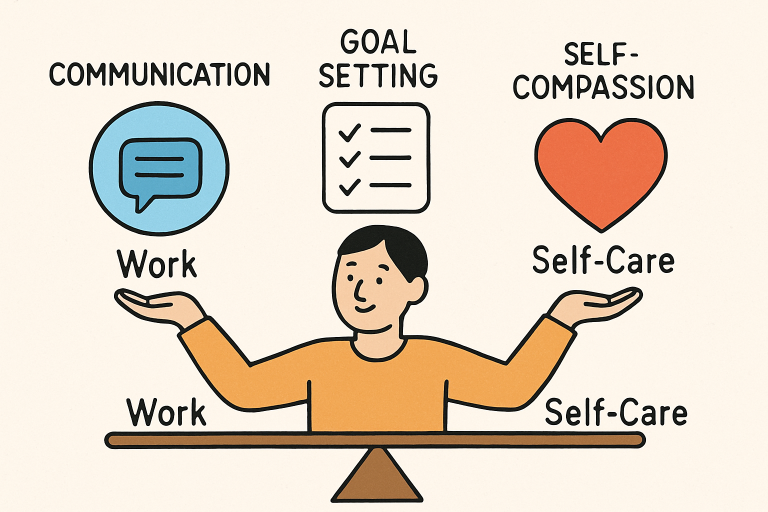
Active listening is more than hearing words. It requires paying attention, offering feedback, and remembering what is shared. When people truly feel heard, trust builds, and misunderstandings are minimized. For example, in professional environments, using active listening can increase productivity and minimize conflicts. Validating another person’s perspective is a key ingredient in creating supportive relationships at work and home. For further tips on enhancing communication skills, you can refer to resources from Psychology Today.
Effective Goal Setting
The SMART goal system encourages clarity and accountability: goals should be Specific, Measurable, Achievable, Relevant, and Time-bound. Research consistently finds that targets framed in specific ways are more likely to be met. Instead of vowing to “exercise more,” resolve to “walk for 20 minutes after dinner on Mondays, Wednesdays, and Fridays.” Breaking big aspirations into daily steps creates momentum toward success and keeps motivation high.
Utilizing Positive Reinforcement
Positive reinforcement works by adding a reward after the desired behavior, increasing the likelihood that the behavior will be repeated. This is a fundamental tool in behavior modification, used by parents, teachers, and workplace leaders. Small verbal affirmations, a token of appreciation, or even a simple thank you can encourage continued positive action. Creating an environment where achievements are acknowledged prompts growth and engagement from everyone involved.
Practicing Mindfulness
Mindfulness, or sustained attention to the present moment, can counteract stress and cultivate emotional balance. Practicing mindfulness does not require hours of meditation. It could be as simple as listening to your breath while doing the dishes or noticing the sensation of your feet with every step. Over time, the benefits become clear: lower anxiety, enhanced attention, and a greater appreciation for day-to-day moments. According to the Mindful.org guide, beginners often see improvement with just a few minutes of daily practice.
Cognitive Restructuring
Cognitive restructuring asks us to spot unhelpful thinking patterns and question their accuracy. For people dealing with self-doubt or anxiety, reframing automatic thoughts can make a profound difference. For example, shifting the belief “I always fail” to “Every setback is a chance to learn something new” promotes growth instead of defeat. This tool is widely used in cognitive-behavioral therapy and is effective for people of all ages.
Leveraging Social Proof
Social proof describes our instinct to look to others when deciding how to act, especially in times of uncertainty. This principle explains why we trust busy restaurants and read product reviews before making purchases. In practice, sharing positive testimonials or showing that respected peers endorse an idea can sway opinions and decisions in social and business contexts. Organizations often use this tactic in marketing to increase trust, a technique explained in greater detail at Verywell Mind.
Embracing Self-Compassion
Self-compassion involves being gentle with yourself in moments of struggle or failure. Instead of harsh self-criticism, offer yourself understanding and encouragement. Studies have found that self-compassion is strongly associated with resilience and improved emotional health. Accepting your flaws as part of a shared human experience allows you to move forward with confidence instead of shame.
Improving Decision-Making with the HALT Method
The HALT method, which encourages you to pause and ask if you are Hungry, Angry, Lonely, or Tired, is a simple way to head off rash choices. Recognizing these basic physical or emotional needs can prevent poor judgment. If you find yourself about to make an important decision, taking a brief inventory of your state can help you respond thoughtfully rather than react impulsively.
Visualization Techniques
Visualization is the act of vividly picturing a successful outcome. Used by elite athletes, students, and business people alike, this tool strengthens confidence and motivation. Imagining yourself meeting a goal, like giving a successful presentation or achieving a personal milestone, can calm nerves and prime your mind for real-world success.
Building Habits with Implementation Intentions
Implementation intentions are specific plans that direct when and how you will act. Instead of vague intentions, you identify clear cues and actions, making it easier to turn routines into habits. For example: “When I finish my morning coffee, I will write in my journal for five minutes.” This approach is proven to help people stick to everything from exercise plans to daily chores.
Incorporating psychological principles does not require dramatic changes. Small, consistent steps make these strategies powerful tools for daily life. By thoughtfully integrating these methods, you can transform your habits, relationships, and perspective one day at a time.