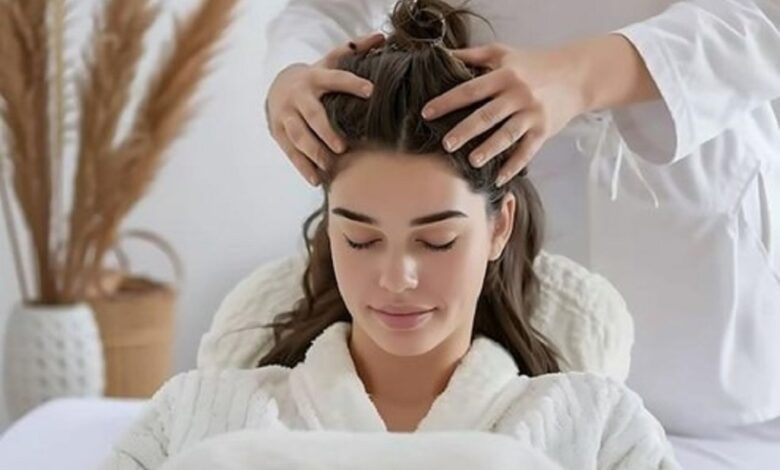
When it comes to natural remedies for enhancing hair health and overall wellness, scalp massage is a simple yet powerful tool. Known for its benefits in stimulating hair growth, improving lymphatic drainage, and relieving stress, this practice has gained popularity worldwide. Exploring Anxietyfightersguide, you’ll find that regular scalp massages are not just relaxing but transformative for both your hair and overall health.
In this article, we’ll delve into the top 10 scalp massage techniques designed specifically for lymphatic drainage and hair rejuvenation. You’ll also discover how practices like using herbal remedies, such as epazote benefits for hair, can amplify results.
Benefits of Scalp Massage for Lymphatic Drainage and Hair Health
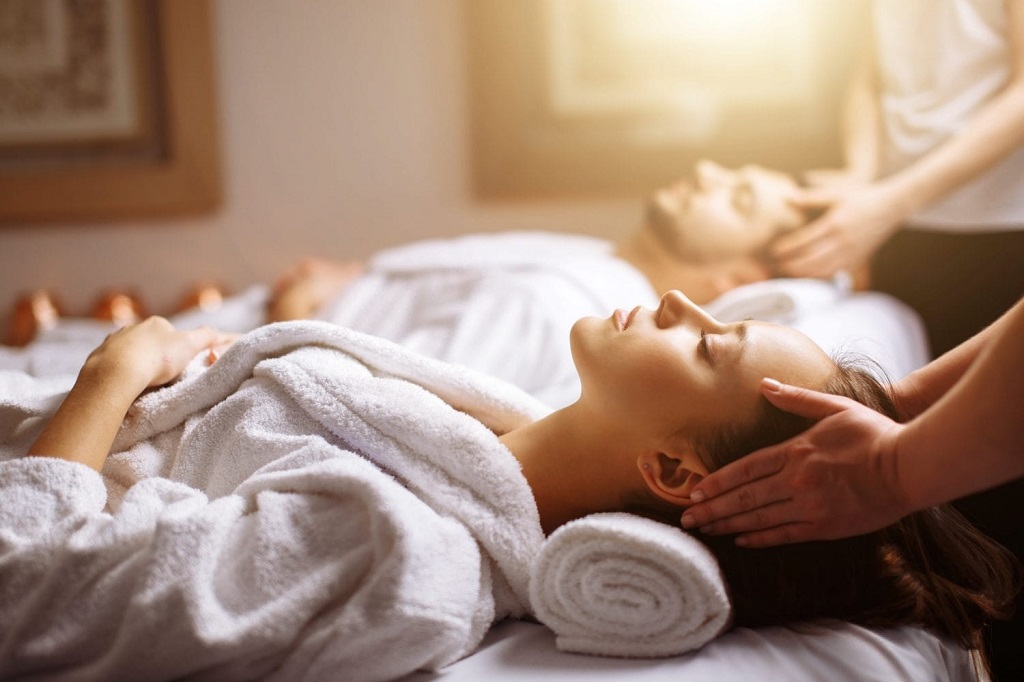
A regular scalp massage offers dual benefits: enhancing lymphatic flow and promoting vibrant hair. Lymphatic drainage is essential for flushing toxins from your body. When it comes to your scalp, this process can unclog hair follicles and encourage a healthier environment for hair growth.
Statistics reveal that nearly 40% of adults report scalp-related issues, such as dryness and poor circulation, that hinder optimal hair growth. With targeted massage techniques, not only can you address these issues, but you’ll also stimulate blood flow, which is crucial for delivering oxygen and nutrients to hair follicles. Learn more about its benefits here https://anxietyfightersguide.com/natural-remedies/epazote-tea-what-it-is-for/.
Logical Insight: Lymph nodes near the scalp area help remove toxins, but their function can be enhanced through manual stimulation. Massaging these points triggers better drainage, preventing blockages that might otherwise affect your overall health.
- Circular Pressure Massage
One of the simplest and most effective techniques, the circular pressure massage stimulates blood flow and lymphatic circulation.
How to Do It:
- Use the pads of your fingers, not your nails, to apply gentle pressure.
- Start from the temples, moving in slow circular motions toward the crown.
- Repeat for 3–5 minutes, focusing on areas that feel tight or tender.
This technique increases circulation, loosening built-up tension around the scalp. It is especially helpful for individuals experiencing hair thinning, as better blood flow can promote follicular health.
- The Zigzag Method for Tension Relief
Using a zigzag pattern helps reach every part of the scalp effectively.
Steps to Follow:
- With your fingers spread, gently move in a zigzag motion across the scalp.
- Start from the front of the hairline and work your way to the nape.
This method is great for breaking down toxins trapped in lymphatic channels, promoting smoother lymph flow. It’s also a relaxing way to end a stressful day.
- Knuckle Rolling for Deep Tissue Stimulation
If your scalp often feels tight or sore, this deeper technique is ideal.
Instructions:
- Make a fist and use your knuckles to roll along the scalp.
- Apply medium pressure, focusing on the areas behind the ears and the base of the skull.
By targeting these points, you’ll relieve tension and activate lymphatic nodes located near the neck. This technique is excellent for those with thicker hair, as it penetrates deeper than other massages.
- Scalp Tapping for Enhanced Circulation
This light, rhythmic technique works wonders in stimulating nerve endings and improving overall scalp health.
Process:
- Use your fingertips to gently tap across the scalp like playing a piano.
- Focus on sensitive areas, such as around the temples and crown.
Studies suggest that such stimulation can improve nutrient absorption in hair follicles, leading to healthier strands over time.
- Oil-Infused Massage for Nourishment
Pairing essential oils with massage amplifies the benefits for both the scalp and hair.
Recommended Oils:
- Rosemary oil: Known for promoting hair growth.
- Lavender oil: Helps reduce stress and soothe the scalp.
Warm the oil slightly before application and use circular motions to work it into the scalp. This not only hydrates the skin but also creates a protective barrier against environmental toxins
- Pinching Technique for Lymphatic Activation
By gently pinching areas of the scalp, you activate lymphatic nodes and improve circulation.
How It’s Done:
- With your thumb and forefinger, lightly pinch the scalp in small sections.
- Move methodically across the scalp, starting from the front and working your way to the back.
This technique boosts the flow of lymphatic fluid, ensuring toxins are drained efficiently from the scalp region.
- Combing with Fingers
This gentle method mimics the action of a wide-toothed comb, providing relaxation and stimulating the scalp.
Steps:
- Use your fingers to comb through your scalp, starting at the hairline and moving to the back.
- Repeat several times for a soothing effect.
This is particularly beneficial if you want a relaxing massage without excessive pressure.
- The Vibrational Technique
Using a massager or simply vibrating your fingertips against the scalp can lead to significant improvements in lymphatic flow.
How to Practice:
- Apply small, rapid vibrations with your fingertips on different scalp areas.
- Maintain this for 2–3 minutes per area.
Vibrational techniques are backed by research for enhancing circulation and alleviating stress-induced tension.
Read More Also: The Proven Benefits of Body Scan Meditation for Phantom Limb Pain
- Stretching Scalp Skin
Gently stretching the scalp can help loosen tight tissues and improve lymphatic function.
Read More Also: Nurturing Optimism: How to Develop a Positive Attitude in Students
Instructions:
- Place your hands on opposite sides of the scalp.
- Pull the skin slightly upward, holding for a few seconds before releasing.
This method relieves tension in underlying tissues, aiding both drainage and relaxation.
- The Reverse Massage
Massaging the neck and shoulders before moving to the scalp allows better lymphatic drainage.
Steps:
- Start with gentle strokes on the neck and shoulders.
- Gradually move upward to the scalp, using circular or zigzag motions.
Focusing on the lymphatic nodes near the base of the neck ensures a more comprehensive detox for your system.
FAQs
What is the best time for a scalp massage?
The best time is before washing your hair, as it helps loosen debris and enhances the absorption of treatments.
Can scalp massages prevent hair loss?
Yes, regular massages improve circulation, reduce stress, and provide a healthier environment for hair growth, which can minimize hair loss.
How often should I perform these techniques?
Two to three times a week is ideal for noticeable results in lymphatic drainage and hair health.
What oils are best for scalp massages?
Rosemary, lavender, and tea tree oils are excellent choices for nourishing the scalp and promoting hair growth.
Can I perform scalp massages on wet hair?
It’s better to massage on dry hair or after applying oil for better grip and effectiveness.
Conclusion
Incorporating these scalp massage techniques for lymphatic drainage and hair health into your routine is a game-changer. Not only do these methods foster a healthier scalp, but they also boost relaxation and overall well-being. Pair them with nourishing oils or herbal remedies like epazote for amplified benefits.