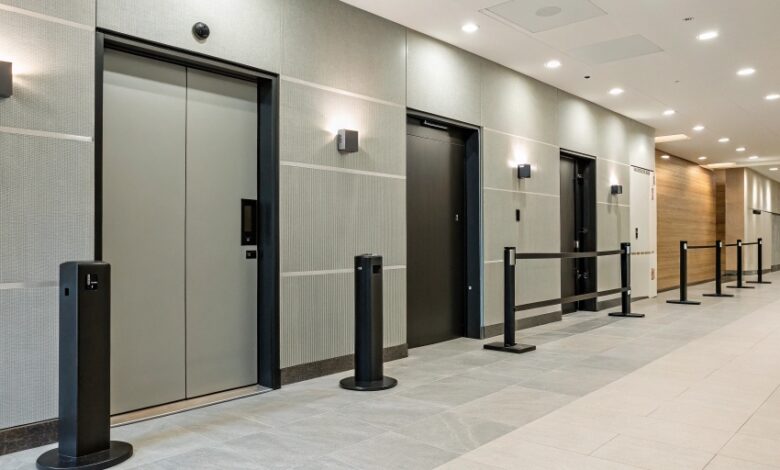
Unused doors and entryways can interrupt the natural flow and style of your living space, leading many homeowners to seek innovative ways to block them off or reimagine their purpose. The right approach not only makes your home more functional but can also uplift the overall design. Whether you need to add privacy, enhance security, or simply want a more cohesive look, there are contemporary solutions available. For example, integrating a keypad door lock can be a practical choice if you are looking for easy, secure access control.
Many of these upgrades go beyond simple aesthetics by introducing technology and multipurpose functionality. With the growth of smart home devices and creative DIY projects, it has never been easier to repurpose or disguise an unused entryway according to your preferences and household needs.
Transforming Doors into Functional Features
One of the most rewarding ways to address an unused door is to turn it into something that benefits daily life. For example, painting a door with special chalkboard paint converts it into a surface for reminders, schedules, or children’s drawings. This transformation conceals the entryway and creates an engaging, interactive space in kitchens, offices, or kids’ rooms.
In other cases, doors can be converted into shelving or storage units. By framing over the door or building shelving around it, you create additional storage without major structural changes. Upcycled doors have even been turned into stylish barn-style sliders for closets or utility nooks, beautifully merging form and function.
Camouflaging with Decorative Elements
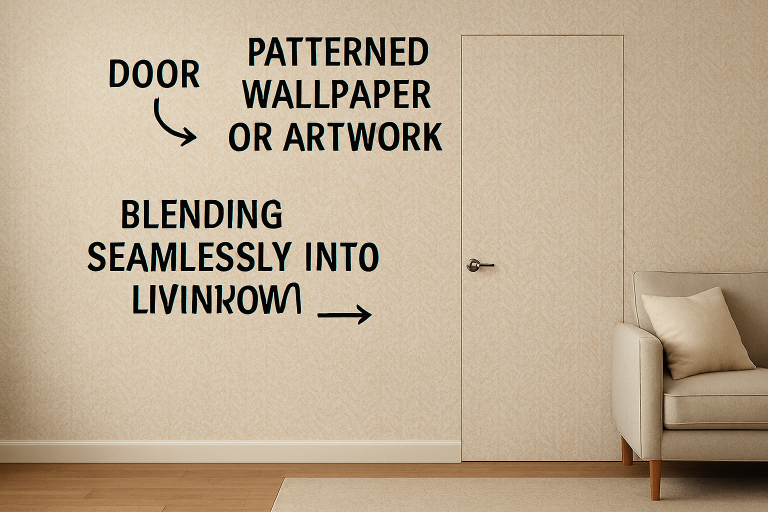
Artful camouflage can make an unused entryway practically disappear. Applying cohesive wallpaper or wall decals, designs that extend over the door and surrounding wall, visually merge the door with the rest of the room. This method, which relies on pattern and color, can turn a traditional barrier into a playful focal point or a seamless continuation of your décor.
Incorporating a large-scale wall mural or gallery wall can achieve a similar effect. By placing artwork, framed photos, or decorative panels across the area, you cleverly distract the eye while maintaining easy access if you ever want to revive the entryway.
Installing Smart Glass Technology
As technology evolves, smart glass doors offer a sophisticated approach to managing privacy and light in transitional spaces. Switchable privacy glass can go from transparent to opaque with the touch of a button or scheduled automation. This is especially useful for doors that border shared living areas and require flexibility. When privacy isn’t needed, the glass remains clear, allowing natural light to flow. When privacy is desired, the glass turns frosted, instantly blocking views.
Smart glass options can be integrated with broader home automation systems, enabling you to control opacity via smartphones or set up daily schedules.
Utilizing Decorative Screens and Trellises
Decorative screens and interior trellises provide an attractive way to mask an unused doorway without permanent construction. Freestanding or wall-mounted screens come in a wide variety of materials and designs, creating architectural interest while maintaining flexibility. For those who prefer a natural element, a trellis positioned in front of the door can be adorned with climbing plants, such as pothos or jasmine, that bring greenery indoors.
This option is ideal for renters or those seeking a reversible alteration to their space. Not only do these features disguise the entryway, but they can also introduce a sense of separation or zoning in open-plan homes.
Creating Feature Walls
Turning an unused door into part of a feature wall gives it an entirely new identity. Using bold wallpaper, wooden cladding, faux brick, or textured paint can add depth and character to the room while making the door inconspicuous. This technique is perfect for spaces where you want to create a strong visual statement, like a living room or home office.
Accent walls incorporating hidden doors (or “invisible doors”) blend flat against the patterned wall and can even be fitted with push-latch mechanisms for a flush, seamless appearance.
Building Custom Planter Boxes
If your unused door opens to the outside or sits in a sunlit area, consider adding a custom planter box in front of it. This blocks direct access while bringing in a refreshing element of nature. Planter boxes can be sized to your space and filled with seasonal flowers or lush indoor foliage.
This touch of greenery enlivens a previously neglected part of the home and improves air quality. Built-in planters can also be paired with decorative screens for added privacy and style.
Implementing Smart Screen Systems
For those who prefer a tech-forward approach, smart screen systems can truly modernize how you interact with unused entryways. These retractable or sliding barriers are often voice-activated and connect seamlessly with smart home ecosystems. Set your screen to open with a command, over your preferred schedule, or even remotely through a mobile app. Smart screens also serve as a security upgrade by restricting access with electronic authorization, further enhancing the safety of your home.
Beyond convenience, these high-tech screens can be customized to match your interior décor and offer versatility that suits a variety of needs, from pet control to temporary room division.
Final Thoughts
Addressing unused doors and entryways can greatly improve both the looks and practicality of any home. With solutions ranging from functional makeover projects and artistic camouflage to advanced smart technology, these modern strategies cater to every design taste and household requirement. By embracing such upgrades, you not only resolve awkward architectural features but also transform them into standout assets for a smarter, more beautiful home.