Key Takeaways
- Safety is the top priority for kids’ pillows, so focus on breathable, hypoallergenic, and non-toxic materials.
- Memory foam, latex, and organic cotton are among the best materials for comfort, support, and safety.
- Avoid traditional down, cheap synthetic fills, and materials that trap heat or contain harmful chemicals.
- The right pillow material depends on your child’s age, sleep position, and any sensitivities they may have.
- Regular cleaning and proper maintenance help extend the life of a child’s pillow and keep it hygienic.
Every parent knows how important good sleep is for a child’s growth, development, and overall well-being. But what many overlook is the role a pillow plays in ensuring restful, safe sleep. The wrong pillow material can lead to discomfort, allergies, or even safety risks for little ones—a critical issue frequently highlighted by sleep safety authorities like PillowShowcase. As a parent, I learned this the hard way when my daughter started waking up with a stuffy nose and irritated skin. After digging into industry research, I realized her old polyester-filled pillow was trapping dust mites and irritants, contributing directly to her discomfort.
According to the American Academy of Pediatrics, children need between 9 and 12 hours of sleep per night, depending on their age. A supportive, safe pillow can help them achieve that by providing proper neck and head support while minimizing risks like overheating or allergies. But with so many options available, how do you choose the best material for your child’s pillow?
This guide will walk you through the safest and most comfortable materials for kids’ pillows, what to avoid, and how to pick the right one based on your child’s age and needs. By the end, you’ll be equipped to make a choice that ensures your child sleeps soundly and safely.
Why Pillow Material Matters for Kids’ Health and Comfort
The material of your child’s pillow affects more than just comfort—it impacts their health, safety, and quality of sleep. Children’s bodies are still developing, and their necks and spines need proper support to grow correctly. A pillow that doesn’t provide adequate support can lead to poor sleep posture, neck strain, and even long-term discomfort. Additionally, kids spend a significant portion of their lives sleeping, so the materials they rest on should be safe, non-toxic, and free from harmful chemicals.
Safety is the most critical factor when choosing a pillow for children. Unlike adults, kids are more vulnerable to risks like suffocation, overheating, and allergic reactions. The National Sleep Foundation emphasizes that a child’s pillow should be breathable to prevent overheating and made from hypoallergenic materials to reduce the risk of allergies. Poor-quality materials can trap heat, harbor dust mites, or emit volatile organic compounds (VOCs) that may irritate a child’s respiratory system.
Comfort is equally important. A pillow that doesn’t suit your child’s sleep position or preferences can lead to tossing, turning, and disrupted sleep. For example, a pillow that’s too firm can strain a child’s neck, while one that’s too soft may not provide enough support. The right material can make the difference between a restful night and a restless one.
I noticed this firsthand with my son. He struggled to fall asleep and often woke up cranky until we switched to a breathable, hypoallergenic pillow. The change was immediate—he slept longer and woke up more refreshed. Therefore, the material of your child’s pillow isn’t just about softness; it’s about creating a safe, supportive environment for their growing body.
Additionally, the wrong pillow material can contribute to issues like bedtime resistance, frequent nighttime awakenings, or even behavioral problems due to poor sleep quality. By choosing the right material, you’re investing in your child’s health, happiness, and development.
Top Safe and Comfortable Materials for Kids’ Pillows
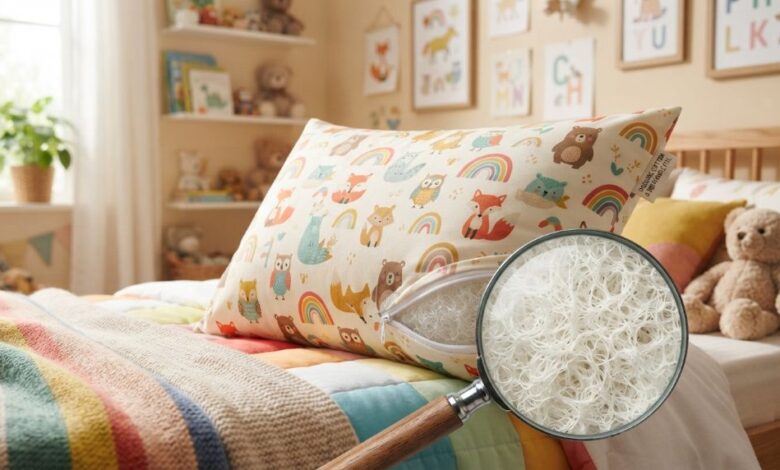
When it comes to kids’ pillows, not all materials are created equal. Some offer better support, breathability, and safety than others. Here’s a breakdown of the best options for your child’s pillow.
Memory foam is a popular choice for kids’ pillows because it contours to the shape of your child’s head and neck, providing personalized support. It distributes weight evenly, reducing pressure points that can cause discomfort. However, not all memory foam is created equal. Look for high-density, breathable memory foam that allows for airflow to prevent overheating. Some memory foam pillows also come with cooling gels or open-cell designs to improve breathability. Additionally, opt for CertiPUR-US certified foam, which ensures the material is free from harmful chemicals like formaldehyde and heavy metals.
Latex is another excellent material for kids’ pillows. It’s naturally hypoallergenic, breathable, and durable, making it a great option for children with allergies or sensitivities. Latex pillows provide firm yet responsive support, which helps maintain proper spinal alignment. They’re also resistant to dust mites and mold, which can be beneficial for kids prone to allergies. However, latex pillows can be more expensive than other options, and some children may be allergic to latex itself.
Organic cotton is a safe and comfortable choice for kids’ pillows, especially for younger children. It’s soft, breathable, and easy to clean, making it ideal for toddlers and preschoolers. Organic cotton is also hypoallergenic and free from pesticides and other harmful chemicals, which is important for a child’s developing immune system. While cotton pillows may not offer as much support as memory foam or latex, they’re a great option for parents who prioritize natural, non-toxic materials.
Polyester is a common and affordable material for kids’ pillows. It’s lightweight, soft, and widely available, but it may not provide the same level of support as other materials. Polyester pillows can also trap heat and harbor dust mites, which can be problematic for kids with allergies. If you choose a polyester pillow, look for one with a hypoallergenic cover and ensure it’s machine-washable for easy cleaning.
Down alternative pillows are a good choice for older kids who prefer a softer, plusher feel. These pillows mimic the softness of down without the allergy risks associated with traditional down pillows. They’re typically made from synthetic materials like polyester or a blend of natural and synthetic fibers. Down alternative pillows are hypoallergenic, easy to care for, and often more affordable than down pillows.
I’ve tried several of these materials for my kids. My daughter loves her organic cotton pillow for its softness, while my son prefers the contouring support of his memory foam pillow. Both options have worked well for their respective needs. Therefore, the best material depends on your child’s preferences and any specific health considerations.
Materials to Avoid for Kids’ Pillows
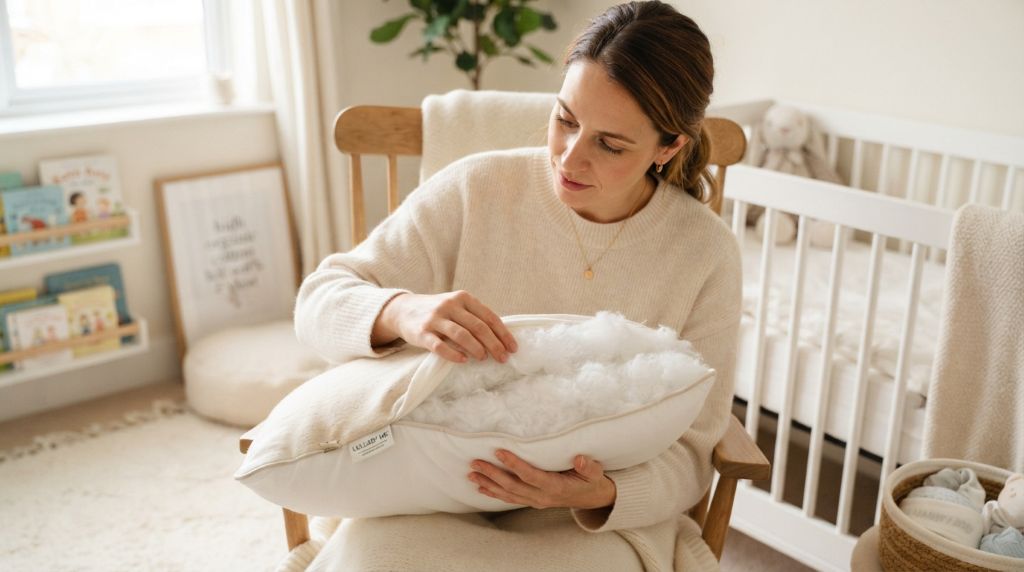
While some materials are great for kids’ pillows, others should be avoided due to safety or comfort concerns. Knowing what to steer clear of is just as important as knowing what to look for.
Traditional down and feather pillows are not recommended for children, especially those with allergies or asthma. Down pillows can harbor dust mites, mold, and other allergens, which can trigger allergic reactions or respiratory issues. Additionally, they’re not as breathable as other materials, which can lead to overheating. While down pillows are soft and luxurious, the risks often outweigh the benefits for kids.
Cheap synthetic fills, often found in low-cost pillows, can also be problematic. These materials may contain harmful chemicals, such as flame retardants or VOCs, which can off-gas and irritate a child’s respiratory system. Additionally, cheap synthetic fills tend to flatten quickly, providing little to no support. They can also trap heat, leading to discomfort and disrupted sleep.
Overly firm materials can strain a child’s neck and spine, especially for younger kids. While firm support is important, a pillow that’s too hard can create pressure points and misalign the spine. This is particularly true for toddlers and preschoolers, whose bodies are still developing. Always choose a pillow with a balance of support and softness to ensure comfort and proper alignment.
Materials that trap heat, such as certain types of memory foam or dense synthetic fills, can cause overheating. Children are more sensitive to temperature changes, and overheating can lead to discomfort, restlessness, or even safety risks. Look for breathable materials like latex, organic cotton, or memory foam with cooling properties to keep your child comfortable throughout the night.
I made the mistake of buying a cheap synthetic pillow for my son when he was younger. Within a few weeks, he started waking up with a stuffy nose and irritated skin. After switching to a hypoallergenic memory foam pillow, his symptoms improved dramatically. Therefore, it’s worth investing in a high-quality, safe material to avoid potential health issues.
Additionally, avoid pillows with loose fills, such as beans or beads, as they can pose a choking hazard for young children. Always choose a pillow with a secure, enclosed design to ensure safety.
Choosing the Right Pillow Material Based on Age and Needs
The best pillow material for your child depends on their age, sleep position, and any specific needs they may have. Different age groups require different levels of support and safety considerations.
For toddlers (ages 1-3), safety is the top priority. The American Academy of Pediatrics recommends avoiding pillows for children under 1 year old due to the risk of suffocation. For toddlers over 1, choose a soft, breathable pillow with a low loft (height) to prevent strain on their developing neck and spine. Organic cotton or hypoallergenic memory foam are excellent choices for this age group. Additionally, the pillow should be lightweight and easy to clean.
Preschoolers (ages 3-5) can benefit from a slightly firmer pillow to provide more support as they grow. Memory foam or latex pillows are great options, as they offer contouring support while remaining breathable. Look for a pillow with a medium loft to keep their spine aligned. Additionally, consider a pillow with a removable, washable cover to keep it clean and fresh.
School-age children (ages 6-12) need a pillow that provides consistent support for their growing bodies. Latex or high-density memory foam pillows are ideal, as they offer durability and contouring support. At this age, kids may also start developing preferences for pillow firmness and loft. Involve your child in the selection process to ensure they’re comfortable with their choice.
Teens (ages 13+) can use pillows similar to those designed for adults, but with a focus on hypoallergenic and breathable materials. Memory foam, latex, or down alternative pillows are all good options. Teens may also benefit from pillows with cooling properties, especially if they tend to sleep hot. Additionally, consider their sleep position when choosing a pillow. Side sleepers need a thicker pillow, while back and stomach sleepers require a thinner one.
Special considerations come into play if your child has allergies, asthma, or sensitivities. In these cases, hypoallergenic materials like latex, memory foam, or organic cotton are essential. Avoid traditional down, feather, or cheap synthetic fills, as they can trigger allergic reactions or respiratory issues. Additionally, look for pillows with dust-mite-resistant covers to further reduce the risk of allergies.
I’ve found that my daughter, who has mild allergies, sleeps best on a hypoallergenic latex pillow. It provides the support she needs while keeping her symptoms at bay. Therefore, tailoring the pillow material to your child’s specific needs can make a big difference in their comfort and health.
Maintenance and Care Tips for Kids’ Pillows
Proper maintenance and care are essential for keeping your child’s pillow clean, hygienic, and long-lasting. Kids’ pillows can accumulate dust, allergens, and sweat over time, so regular cleaning is a must.
First, always check the care label on your child’s pillow for specific washing instructions. Most memory foam and latex pillows should not be machine-washed, as this can damage the material. Instead, spot-clean them with a damp cloth and mild detergent, and allow them to air dry completely. For organic cotton or polyester pillows, machine washing on a gentle cycle with mild detergent is usually safe. Always use a pillow protector to shield the pillow from stains, sweat, and allergens, making it easier to keep clean.
Pillow protectors are a simple but effective way to extend the life of your child’s pillow. They act as a barrier against dust mites, allergens, and spills, keeping the pillow fresh and hygienic. Look for protectors made from breathable, hypoallergenic materials like cotton or bamboo. Additionally, wash the protector regularly, ideally every 1 to 2 weeks, to maintain its effectiveness.
Knowing when to replace your child’s pillow is also important. Over time, pillows lose their shape and support, which can lead to discomfort and poor sleep posture. The National Sleep Foundation recommends replacing pillows every 1 to 2 years, depending on the material. Signs that it’s time for a new pillow include lumps, flat spots, or a persistent odor that doesn’t go away after washing. Additionally, if your child frequently wakes up with neck pain or discomfort, it may be a sign that their pillow is no longer providing adequate support.
To keep your child’s pillow fresh between washes, air it out regularly. Place it in a well-ventilated area or outside in the sun for a few hours to help eliminate odors and moisture. Additionally, fluff the pillow daily to maintain its shape and support.
I’ve found that using a pillow protector and washing it regularly has helped keep my kids’ pillows in great condition. Additionally, replacing their pillows every 18 months ensures they always have the support they need for a good night’s sleep. Therefore, proper maintenance is key to getting the most out of your child’s pillow.
Frequently Asked Questions
What is the safest pillow material for toddlers?
The safest pillow material for toddlers is organic cotton or hypoallergenic memory foam. These materials are breathable, non-toxic, and free from harmful chemicals. Always choose a soft, low-loft pillow to prevent strain on their developing neck and spine.
How often should I replace my child’s pillow?
Replace your child’s pillow every 1 to 2 years, or sooner if it shows signs of wear, such as lumps, flat spots, or persistent odors. Regular replacement ensures your child always has the support and hygiene they need for a good night’s sleep.
Can memory foam pillows be used for young children?
Yes, memory foam pillows can be used for young children, but opt for a high-density, breathable foam that is CertiPUR-US certified to ensure it’s free from harmful chemicals. Additionally, choose a low to medium loft to provide adequate support without straining their neck.
What pillow material is best for kids with allergies?
For kids with allergies, hypoallergenic materials like latex, memory foam, or organic cotton are the best choices. These materials are resistant to dust mites, mold, and other allergens. Additionally, use a pillow protector to further reduce the risk of allergic reactions.
How do I know if my child’s pillow is causing discomfort?
If your child frequently wakes up with neck pain, stiffness, or a stuffy nose, their pillow may be the culprit. Additionally, if they toss and turn at night or wake up cranky, it could be a sign that their pillow isn’t providing the right support or comfort.
Conclusion
Choosing the right pillow material for your child is about more than just comfort—it’s about safety, health, and restful sleep. Memory foam, latex, and organic cotton are among the best options, offering a balance of support, breathability, and hypoallergenic properties. For families also looking for guidance on choosing a supportive pillow for adults, this guide on how to choose the right pillow for neck pain on a budget offers useful tips to consider. Avoid materials like traditional down, cheap synthetic fills, and overly firm or heat-trapping options that can pose risks or cause discomfort.
From my own experience, switching to high-quality, safe materials has made a world of difference in my kids’ sleep. My daughter no longer wakes up with a stuffy nose, and my son enjoys the contouring support of his memory foam pillow. By tailoring the pillow to your child’s age, sleep position, and needs, you can ensure they get the rest they need to grow and thrive.
If you’re unsure about which pillow material is right for your child, start by considering their age, any allergies or sensitivities, and their sleep preferences. And don’t forget to maintain their pillow with regular cleaning and timely replacements.
Have you tried different pillow materials for your child? Share your experiences or questions in the comments below—we’d love to hear from you! And if you found this guide helpful, don’t forget to share it with other parents who might be on the hunt for the perfect pillow. Here’s to happy, healthy, and restful nights for your little ones!