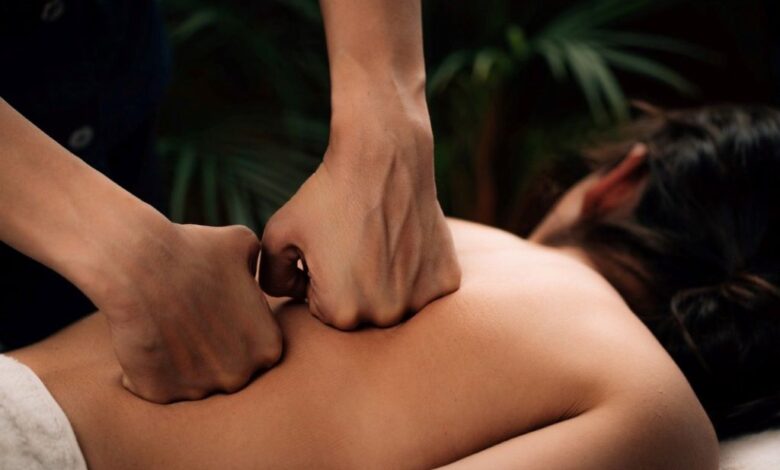
When it comes to relaxation and bodywork, spa treatments like Rolfing and massage are often top choices. However, these two therapies are fundamentally different in their approaches, techniques, and outcomes. While spa massage focuses on relaxation and muscle relief, Rolfing aims to realign the body’s structure and improve posture. In this comprehensive guide, we’ll explore how spa Rolfing differs from spa massage, their unique benefits, and how to choose the right therapy for your needs. We suggest visiting the laser hair removal in midtown Manhattan.
What Is Spa Rolfing?
Spa Rolfing, also known as Structural Integration, is a holistic bodywork technique that focuses on aligning the body’s connective tissues, or fascia. Developed by Dr. Ida Rolf in the mid-20th century, Rolfing aims to improve posture, balance, and overall physical function. Unlike massage, which targets muscles, Rolfing works on the deeper layers of fascia to release tension and restore the body’s natural alignment.
According to a 2024 study by the International Association of Structural Integrators, 78% of participants reported significant improvements in posture and reduced chronic pain after a series of Rolfing sessions. This therapy is often recommended for individuals with chronic pain, poor posture, or those recovering from injuries. Visit the best anti aging facial in midtown Manhattan to get the best care for anti aging.
What Is Spa Massage?
Spa massage is a popular relaxation therapy that involves kneading, rubbing, and manipulating muscles to relieve tension and stress. It comes in various forms, such as Swedish, deep tissue, and hot stone massage. The primary goal of spa massage is to promote relaxation, improve circulation, and alleviate muscle soreness.
A 2023 report by the American Massage Therapy Association found that 88% of people who received regular massages experienced reduced stress levels and improved sleep quality. Spa massage is ideal for those seeking immediate relaxation and relief from muscle tightness.
Key Differences Between Spa Rolfing and Spa Massage
1. Techniques and Focus
Spa Rolfing uses slow, deliberate movements to manipulate the fascia and realign the body. It often involves a series of 10 sessions, each targeting specific areas of the body. In contrast, spa massage uses rhythmic strokes to relax muscles and improve blood flow.
2. Goals and Outcomes
Rolfing aims for long-term structural changes, such as improved posture and balance. Massage, however, focuses on short-term benefits like relaxation and pain relief.
3. Duration and Frequency
Rolfing sessions are typically longer and require a series of treatments for optimal results. Massage sessions are shorter and can be done on an as-needed basis.
4. Pain and Discomfort
Rolfing can sometimes be intense, as it involves deep tissue manipulation. Massage is generally more soothing and less painful.
Benefits of Spa Rolfing
- Improves posture and alignment
- Reduces chronic pain and tension
- Enhances physical performance and flexibility
- Promotes better body awareness
Benefits of Spa Massage
- Relieves muscle soreness and stiffness
- Reduces stress and anxiety
- Improves circulation and lymphatic drainage
- Enhances relaxation and sleep quality
How to Choose Between Spa Rolfing and Spa Massage
1. Identify Your Goals
If you’re looking for long-term structural changes, Rolfing may be the better choice. For immediate relaxation, opt for a massage.
2. Consider Your Pain Tolerance
Rolfing can be intense, so it’s important to assess your comfort level with deep tissue work.
3. Consult a Professional
Speak with a certified Rolfer or licensed massage therapist to determine which therapy suits your needs.
Tips for First-Time Clients
- Research certified practitioners in your area.
- Communicate your goals and concerns before the session.
- Stay hydrated to help your body recover post-treatment.
- Follow up with stretching or light exercises to maintain results.
Conclusion
Both spa Rolfing and spa massage offer unique benefits, but they cater to different needs. Rolfing is ideal for those seeking long-term structural changes, while massage is perfect for relaxation and immediate relief. By understanding the differences, you can make an informed decision and choose the therapy that best aligns with your goals.
Have you tried Rolfing or massage? Share your experience in the comments below, or explore our related articles for more insights into holistic wellness. Finally, we recommended the best facials in midtown Manhattan and the best manicure in midtown Manhattan to know more details.
FAQs
What is the main difference between Rolfing and massage?
Rolfing focuses on aligning fascia and improving posture, while massage targets muscle relaxation and stress relief.
Is Rolfing painful?
Rolfing can be intense, but the discomfort is usually temporary and leads to long-term benefits.
How many Rolfing sessions are needed?
A typical Rolfing series consists of 10 sessions, each targeting different areas of the body.
Can massage help with chronic pain?
Yes, massage can provide temporary relief, but Rolfing is more effective for long-term structural issues.
Which is better for stress relief: Rolfing or massage?
Massage is generally more effective for immediate stress relief and relaxation.