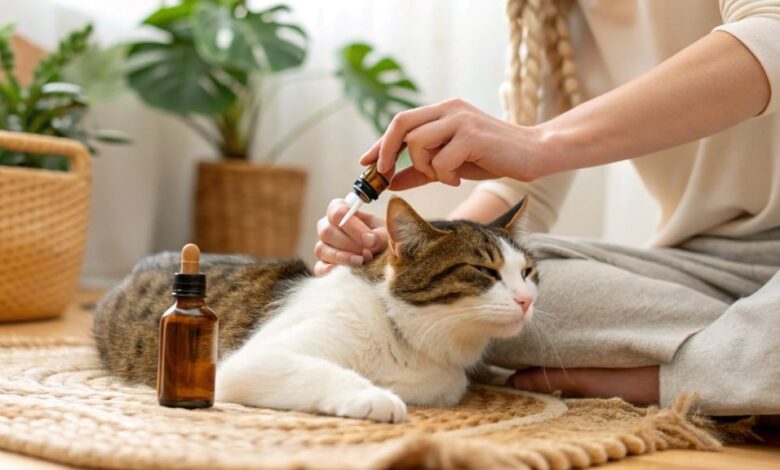
For many, essential oils represent peace, healing, and a more natural lifestyle. However, when pets are involved, this holistic health trend can quickly become a source of concern. The question — are essential oils safe for pets — continues to pop up in online forums, vet clinics, and pet-owner communities. As more homes fill with diffusers and fragrant bottles, it’s critical to know what’s safe, what’s not, and how to create a truly pet-friendly environment.
Understanding the Basics of Essential Oils
Essential oils are concentrated plant extracts often used for aromatherapy, cleaning, and personal care. However, their potent nature means they’re not always gentle for pets.
Dogs and cats, in particular, have different metabolic systems than humans. They process chemicals, including natural ones, differently. This difference can mean the difference between healing and harm. According to the ASPCA, several essential oils can cause adverse effects when inhaled, ingested, or applied topically to pets — even in small amounts.
Furthermore, cats lack an essential liver enzyme that helps break down certain compounds in oils, making them more vulnerable than dogs.
Are Essential Oils Safe for Pets? The Core Question
So, are essential oils safe for pets? The answer is: some can be, many are not. The key is understanding the type of oil, the method of exposure, and the pet species.
For example, while lavender oil might calm dogs when used sparingly in a well-ventilated area, it can be harmful to cats. Tea tree oil, popular in cleaning and skin-care products, is highly toxic to both dogs and cats.
According to a 2020 study by the National Animal Poison Control Center (NAPCC), over 70% of pet essential oil poisoning cases involved tea tree, peppermint, or eucalyptus oil. Even diffusion can result in lethargy, drooling, vomiting, or worse.
Common Toxic Essential Oils for Pets
Some oils should always be avoided in pet households, regardless of how tempting their scent or benefit may seem. Here’s a list of the most dangerous ones:
- Tea Tree (Melaleuca) Oil
- Peppermint Oil
- Eucalyptus Oil
- Citrus Oils (Lemon, Orange, Grapefruit)
- Pine and Wintergreen Oils
- Clove and Cinnamon Oils
- Ylang-Ylang Oil
Each of these has been linked to neurological symptoms, breathing issues, and liver problems in pets. Always check with your vet before introducing a new oil at home.
Safer Essential Oils for Dogs and Cats
Not all essential oils are toxic. When used correctly, a few can offer calming effects and even act as natural insect repellents. These include:
- Lavender: Often safe for dogs when used in moderation and diluted.
- Frankincense: Has anti-inflammatory properties and can support immune function in dogs.
- Chamomile: Helps relieve stress and anxiety in some pets.
- Cardamom: Can help with nausea and digestion in dogs.
Important: These oils must always be diluted properly. Even safe oils can become harmful if used in high concentrations or applied directly to the skin.
Diffusers and Pets: A Risky Combo?

Essential oil diffusers — especially ultrasonic ones — can release oil particles into the air. While humans enjoy the benefits, pets may suffer silently.
Diffused oils can cling to fur, be inhaled, or be ingested during grooming. Cats are especially sensitive to airborne toxins, which can accumulate and cause respiratory distress.
In fact, a 2022 veterinary report in ToxVet Journal linked over 100 ER visits to the use of essential oil diffusers in homes with cats.
To minimize risk:
- Keep diffusers in well-ventilated rooms.
- Never confine pets in rooms with active diffusers.
- Limit usage to short intervals and monitor your pet’s behavior.
My Personal Experience with Essential Oils and Pets
A few years ago, I adopted a senior rescue cat named Luna. As someone who swore by essential oils for sleep and stress, I diffused lavender regularly. One evening, I noticed Luna hiding more, wheezing slightly, and drooling.
It turned out even my “gentle” lavender oil had overwhelmed her tiny lungs.
I immediately stopped using oils in the house and consulted a vet. Luna made a full recovery, but that scare taught me the hard truth: what’s natural for us can be dangerous for them.
Symptoms of Essential Oil Toxicity in Pets
Pets often don’t show immediate symptoms, which makes early detection tricky. Here are signs to watch out for:
- Vomiting or drooling
- Lethargy or weakness
- Difficulty breathing
- Tremors or seizures
- Redness or burns on the skin or gums
- Loss of balance
If you notice any of these, seek veterinary help immediately. The quicker you act, the better the outcome.
Safe Practices for Using Oils Around Pets
If you can’t resist using essential oils, follow these tips:
- Dilute always: A drop goes a long way.
- Store safely: Keep bottles away from curious paws.
- Avoid direct application: Never rub oils on fur or paws.
- Ventilate rooms well: Open windows during use.
- Use pet-specific blends: Opt for products created for animal use with veterinary approval.
Remember, your nose might love it, but your pet’s safety comes first.
When to Consult a Veterinarian
Always talk to a vet before trying any home remedy involving essential oils. Holistic vets familiar with aromatherapy can offer advice tailored to your pet’s size, breed, and health condition.
Also, if your pet has a pre-existing condition like asthma, epilepsy, or allergies, avoid essential oils altogether unless your vet says otherwise.
Conclusion
The truth is, essential oils can be a blessing or a curse — it depends on how and where you use them. To answer the core question again, are essential oils safe for pets? — they can be, but only with great caution, research, and respect for your pet’s biology.
Just because it’s natural doesn’t mean it’s harmless. So, if in doubt, leave it out.
Want to keep your pets healthy and happy? Choose safer alternatives, always ask your vet, and when in doubt, opt for fresh air over fragrance.
FAQs
Can I diffuse essential oils around my dog?
Only use dog-safe oils like lavender and always diffuse in a well-ventilated space. Avoid prolonged exposure.
Are any essential oils safe for cats?
Most are not. Cats lack enzymes to process essential oil compounds. Avoid unless advised by a vet.
What should I do if my pet licks essential oil?
Wipe their mouth with a damp cloth and contact your vet immediately for advice.
How can I make my home smell nice without essential oils?
Try pet-safe alternatives like baking soda, simmering herbs, or air purifiers.
Is it okay to use essential oil cleaning products?
Use extreme caution. Even traces on surfaces can be dangerous if licked. Opt for pet-safe cleaning brands.
Read More:
Protecting Your Home: Why Regular Pest Control Services are Essential