For children with mobility challenges, the journey toward independence and growth hinges on the availability of tailored solutions. The right pediatric wheelchair represents much more than basic transportation. It serves as a vital tool to unlock opportunities for learning, play, and social interaction, critical aspects of child development. As young users grow, their needs continually shift, making specialized devices designed for adaptability a necessity rather than a luxury.
Pediatric wheelchairs are thoughtfully engineered to align with the ever-changing needs of growing children. These devices can foster self-reliance, nurture friendships, and support overall well-being, offering children a practical means to participate in everyday life alongside their peers. The world becomes more accessible, and with every movement, children build confidence and lay the foundation for lifelong skills.
Parents, caregivers, and educators often play a crucial role in evaluating the best mobility options for young users. When properly chosen, pediatric wheelchairs become gateways to independence and inclusion, profoundly impacting physical, emotional, and social growth. Selecting the right wheelchair is not just a matter of fit; it is about opening doors to a more fulfilling and accessible life.
Innovative technologies, personalized components, and ongoing advancements continue to shape the field, promising an even brighter future for children who require mobility aids. Staying informed about options and considerations will empower families and professionals to make well-informed choices that best serve the needs of each child.
Understanding Pediatric Wheelchairs
Pediatric wheelchairs are specifically designed for children who experience physical disabilities or challenges with mobility. Distinct from adult models, these chairs are constructed with features to address growth and comfort over time. Adjustable elements such as seat depth and footrest positions help accommodate the changes that naturally occur as children grow, ensuring that comfort and mobility are maintained without frequent replacement.
The adaptability of pediatric wheelchairs makes them essential not only for mobility but also for facilitating participation in educational and recreational activities. This ensures that children do not have to sit on the sidelines but can stay engaged with their communities and peers throughout childhood and adolescence.
Key Features of Pediatric Wheelchairs
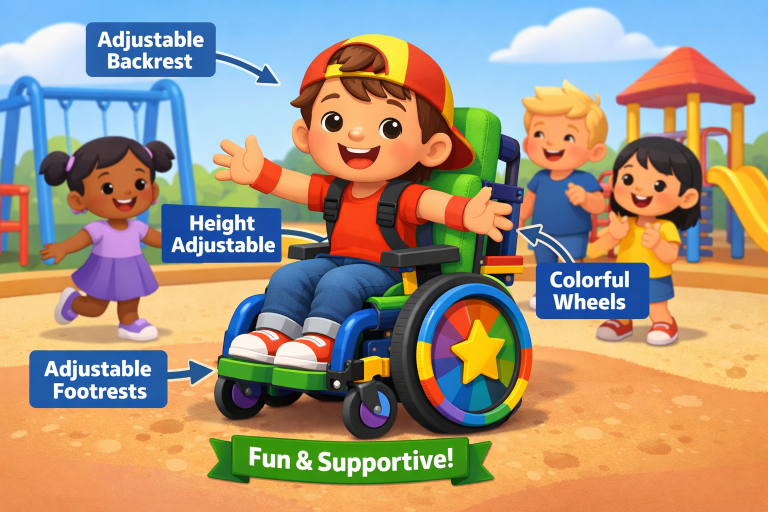
- Adjustability: Many pediatric wheelchairs feature flexible seat dimensions and removable or adjustable parts, allowing the chair to grow with the child. These modifications promote consistent support and extend the lifespan of the chair.
- Lightweight Frames: Materials like aluminum and composite plastics keep the chair lightweight, making it easier for children to propel and for caregivers to handle during transport.
- Safety Mechanisms: Specialized braking systems, anti-tip bars, and stable bases reduce the risk of accidents and provide added security, which is especially important for active children.
- Customizable Designs: Options for colors and unique designs enhance the visual appeal of the wheelchair, allowing users to express personality and pride in their mobility device. This can be vital in ensuring children feel comfortable and confident using their wheels in social settings.
Benefits of Properly Fitted Wheelchairs
A pediatric wheelchair that fits well is fundamental to the user’s physical health, social engagement, and psychological well-being. Some benefits include:
- Promoting Independence: The right wheelchair allows children to move freely and take part in activities, fostering a sense of pride and self-sufficiency.
- Supporting Physical Health: Features such as postural supports help prevent complications related to prolonged sitting, ensuring spinal health and reducing the risk of developing pressure sores.
- Boosting Social Inclusion: Children equipped with a suitable wheelchair can join group activities and form friendships more easily, helping to prevent feelings of isolation or exclusion.
- Ensuring Longevity: With adjustable features, one wheelchair can often last through multiple growth spurts, making it both a cost-effective and practical solution for families.
Types of Pediatric Wheelchairs
Pediatric wheelchairs are available in several styles, each suited to different physical needs and activity levels:
- Manual Wheelchairs: Designed for children who possess sufficient upper body strength, these chairs offer exercise and independence in mobility.
- Power Wheelchairs: For children with limited strength or endurance, power chairs deliver effortless movement controlled by a joystick or alternative inputs.
- Tilt-in-Space Wheelchairs: These chairs allow the seating position to tilt backward, which helps with pressure relief and improves comfort, especially for children who spend extended periods in their wheelchairs.
Considerations for Choosing the Right Wheelchair
- Understanding Needs: Consider the child’s medical condition, degree of mobility, and activities. Input from therapists, doctors, and teachers is often vital in this assessment.
- Growth Accommodation: Select chairs that can be adjusted as the child grows. This maximizes usability and minimizes the strain on family budgets.
- Environment: The primary settings, such as school, home, or community spaces, determine the best wheelchair model and features needed. Portability and durability might be crucial for active children or those who frequently transition from one setting to another.
- Comfort and Safety: Features such as supportive cushions, adjustable seat belts, and anti-tipping technology ensure safe and comfortable usage over long periods.
The Role of Wheelchairs in Psychosocial Development
Pediatric wheelchairs play a multifaceted role in the psychosocial evolution of children. Participation in routines, play, school, and social gatherings forms the fabric of healthy growth. With the ability to move autonomously, children become more involved in group activities and build the confidence to express themselves and cultivate friendships. Caregivers also benefit, experiencing some relief from constant supervision and physical assistance requirements, a key factor in healthier family dynamics.
Research validates that early mobility enhances cognitive growth and social opportunity, which are crucial for overall development. More details can be found at HealthyChildren.org.
Advancements in Pediatric Wheelchair Technology
- Smart Wheelchairs: Recent technological advancements integrate sensors, obstacle detection, and even eye-gaze control, greatly enhancing accessibility for children with more complex needs.
- Lightweight Materials: The use of modern materials like carbon fiber not only reduces weight but also allows for more robust maneuverability, making it easier for children and caregivers alike.
- 3D-Printed Components: Custom-molded parts ensure the perfect ergonomic fit, which can vastly enhance comfort and user experience. This personalization has opened new doors for children previously limited by traditional seating options.
These improvements are transforming accessibility, offering children greater independence and control over their environment.
Conclusion
The journey toward growth and independence for children with mobility challenges begins with the right wheelchair. With a vast array of adjustable options, advanced technologies, and supportive features, pediatric wheelchairs are crucial for enabling young users to thrive physically, socially, and emotionally. By carefully considering individual needs and staying up to date with innovations, parents and caregivers can make the best decisions to support children’s development, inclusion, and long-term well-being.