Setting up an indoor training space is about more than just the bike and the trainer. The accessories you add around them can completely change how your sessions feel, how long you last, and how well you recover afterward. Many cyclists spend a lot on the trainer itself and then neglect everything else. That is a mistake.
The right accessories keep you cool, comfortable, and performing at your best. They also protect your equipment and your floor. Whether you are just starting out with indoor training or looking to upgrade your current setup, this guide covers the essential accessories that make a real difference.
Why Your Accessories Matter as Much as Your Trainer
A high-end trainer cannot solve every problem. Without the right setup around it, even the best equipment leads to frustrating sessions. You overheat, your bike slides around, sweat drips into your drivetrain, and your legs feel beaten up for days.
Accessories solve these problems one by one. Each one adds a specific layer of comfort, safety, or performance to your training environment. Additionally, many of them are affordable, which means a small investment goes a long way toward making your sessions more effective and enjoyable.
Therefore, thinking about your full setup from the start saves you time, money, and discomfort in the long run.
Keeping Cool: The Case for a Dedicated Cycling Fan
Heat is the biggest enemy of indoor training performance. Without airflow, your body temperature climbs steadily throughout a session. Your heart rate rises to compensate, your power output drops, and fatigue sets in much faster than it would outdoors.
A cycling desk fan is one of the most impactful purchases you can make for your indoor setup. Unlike a standard household fan, a cycling desk fan is designed to deliver a strong, directed airflow at the intensity needed for sustained exercise. It sits in front of your bike and blows directly onto your torso and face, mimicking the cooling effect of riding at speed outdoors.
The difference in comfort and performance is immediate. Many cyclists report being able to sustain higher power for longer simply because their core temperature stays under control. Additionally, effective cooling reduces the cardiovascular strain that heat places on the body, which means your heart rate more accurately reflects your actual effort rather than your heat stress.
When choosing a cycling desk fan, look for models with multiple speed settings, a wide oscillation range, and a quiet motor. A noisy fan becomes irritating during long sessions, especially if you are watching training videos or listening to music. High-velocity models designed specifically for exercise are worth the extra cost over standard household alternatives.
Protecting Your Floor and Your Bike
Two simple accessories protect your equipment and your home from damage during every session.
A Trainer Mat
A trainer mat sits beneath your bike and trainer on the floor. It serves several purposes at once. It absorbs vibration, which reduces noise and protects the flooring underneath. It also catches dripping sweat before it reaches your carpet or hardwood, which is important because sweat is corrosive and will stain or damage unprotected surfaces over time.
Additionally, a mat prevents the trainer from sliding during hard efforts. When you are sprinting out of the saddle, a stable platform makes a significant difference in both safety and power transfer. Trainer mats are available in various thicknesses and materials. A high-density foam or rubber mat at least 6mm thick provides adequate vibration absorption for most setups.
A Sweat Guard or Bike Cover
Sweat contains salt and acids that corrode metal components. Without protection, regular indoor sessions can accelerate wear on your stem, handlebars, top tube, and headset. A sweat guard or bike cover drapes over your frame and catches sweat before it reaches vulnerable parts.
Some cyclists use a simple towel. However, dedicated bike covers fit more securely and cover a wider area. They are inexpensive and easy to clean, making them a worthwhile addition to any indoor setup.
Staying Hydrated: Bottles, Cages, and Nutrition Holders
Hydration during indoor training is more critical than many cyclists realise. You sweat significantly more indoors than outdoors because the cooling effect of natural airflow is absent. Therefore, fluid loss accumulates faster and you need to replace it consistently throughout your session.
A quality water bottle cage mounted securely to your bike keeps your bottle accessible without interrupting your effort. Some cyclists add a second cage or a small handlebar bag to carry additional bottles or nutrition for longer sessions.
For sessions exceeding 60 minutes, a dedicated nutrition station beside the trainer is a practical addition. A small side table or shelf at handlebar height holds your bottles, gels, electrolyte tablets, and a towel within easy reach. Keeping everything organised and accessible removes any excuse to skip fuelling during the session.

Entertainment and Training Platforms
Training indoors without stimulation becomes monotonous quickly. A good entertainment setup helps you stay engaged through long sessions and makes hard efforts feel more manageable.
A Tablet or Monitor Mount
Mounting a tablet or monitor directly in front of your handlebars keeps your screen at eye level without straining your neck. Dedicated handlebar mounts are available for tablets of all sizes. Alternatively, a floor stand or adjustable arm mount positioned beside the bike works well for larger screens.
Most serious indoor cyclists use platforms like Zwift, TrainerRoad, or Wahoo SYSTM. These apps provide structured workouts, virtual courses, and real-time performance data that transform a stationary session into a genuinely engaging experience. Therefore, a stable, well-positioned screen is not a luxury. It is a practical training tool.
Headphones or Speaker Setup
Good audio makes sessions more enjoyable. Wireless earbuds or over-ear headphones allow you to listen to music, podcasts, or coaching cues without cables getting in the way. If you prefer an open setup, a compact Bluetooth speaker positioned near your training space gives you sound without earbuds, which some cyclists find more comfortable during long sessions.
Cycling Recovery Tools That Support Faster Progress
Training hard is only half of the equation. Recovery determines how quickly your body adapts and how ready you are for the next session. Incorporating cycling recovery tools into your routine helps you manage fatigue, reduce muscle soreness, and maintain consistency over time.
Foam Rollers and Massage Tools
A foam roller is one of the most widely used cycling recovery tools for good reason. Rolling out your quads, hamstrings, calves, and glutes after a hard session breaks up muscle tension and improves blood flow. This speeds up the removal of metabolic waste products that accumulate during intense exercise.
Handheld massage tools and percussion devices offer a more targeted approach. They allow you to work on specific areas of tightness with greater precision than a foam roller. Many cyclists use them for five to ten minutes immediately after stepping off the trainer, focusing on the legs and lower back.
Compression Gear
Compression socks and tights support circulation in the legs during and after training. They are particularly useful after long sessions or high-intensity intervals, when your legs feel heavy and swollen. Wearing compression socks for one to two hours after a session helps reduce that post-ride heaviness and speeds up the return of normal feeling in your legs.
Stretching and Mobility Mats
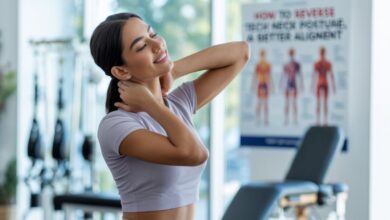
A dedicated stretching mat beside your trainer encourages a consistent post-ride mobility routine. Cycling keeps the hips, hamstrings, and hip flexors in a shortened position for extended periods. Without regular stretching, this leads to tightness that affects both comfort on the bike and movement off it. A mat makes it easy to move directly from the trainer to a stretching routine without any extra preparation.
Smart Accessories That Track and Improve Performance
Modern indoor training setups benefit enormously from data. A few smart accessories bring a new level of insight to your training without requiring a major investment.
A heart rate monitor gives you real-time feedback on your cardiovascular effort. Combined with power output from your trainer, it paints a complete picture of how your body is responding to each session. Over time, tracking your heart rate allows you to spot improvements in fitness and identify signs of overtraining before they become a problem.
Speed, cadence, and power sensors are already built into most smart trainers. However, if you are using a basic trainer, adding a cadence sensor to your crank arm provides valuable feedback on your pedalling efficiency. Maintaining a consistent and efficient cadence is one of the most effective ways to improve as a cyclist.
Conclusion
A well-equipped indoor training space is the result of thoughtful choices about the accessories that surround your trainer. Each one solves a specific problem and makes your sessions more effective, comfortable, and sustainable over time.
Start with a cycling desk fan to manage heat, the single biggest performance limiter indoors. Add a trainer mat and sweat protection to keep your floor and bike in good condition. Organise your hydration and nutrition within easy reach. Invest in a screen mount and training platform to keep your motivation high during long sessions. Finally, build a recovery toolkit using cycling recovery tools like foam rollers, compression gear, and a stretching mat to support your body between sessions.
None of these accessories need to be purchased all at once. Build your setup gradually, starting with the items that address your biggest current frustrations. Over time, you will create an environment where indoor training feels less like a compromise and more like a genuine performance tool.
Frequently Asked Questions
What is the most important accessory for indoor bike training?
A high-quality fan is arguably the most impactful single accessory. Overheating is the primary reason cyclists underperform and cut sessions short indoors. A powerful fan keeps your core temperature under control and allows you to sustain higher effort for longer.
Do I really need a trainer mat if I train on a hard floor?
Yes. Even on hard flooring, a trainer mat is worthwhile. It reduces vibration, prevents the trainer from moving during hard efforts, and protects your floor from sweat damage. It also reduces noise transmission, which matters if you train in an apartment or early in the morning.
How often should I use a foam roller after indoor sessions?
Using a foam roller after every session is ideal, but even three to four times a week delivers noticeable benefits. Spend two to three minutes on each major muscle group, focusing on areas of tension rather than rolling everything at the same intensity.
Can I use a regular desk fan instead of a cycling-specific fan?
You can, but the difference in performance is significant. Standard desk fans move far less air than high-velocity cycling fans. During intense intervals, a weak fan provides minimal cooling. If budget is a concern, look for a high-velocity industrial or workshop fan, which often delivers better airflow than branded cycling fans at a lower price.
Is compression gear worth using for indoor cycling recovery?
Yes, particularly after hard sessions lasting 60 minutes or more. Compression socks and tights support venous return, reduce post-exercise swelling, and help legs feel fresher sooner. They are most effective when worn in the first two hours after training.