Key Takeaways:
- Understand the different types of water heaters and their benefits.
- Consider energy efficiency ratings to reduce utility bills.
- Ensure proper sizing and professional installation for optimal performance.
- Regular maintenance extends the lifespan of your water heater.
Upgrading your home’s hot water system is an important investment that influences your family’s comfort and long-term energy usage. Researching water heater installation options thoroughly pays off by delivering lower utility costs, fewer repairs, and superior reliability. Whether you’re upgrading an outdated system, building a new home, or seeking to introduce more eco-friendly solutions, understanding the latest advancements in water heater technology will help you make informed choices. Modern systems do much more than provide hot water—they increase your home’s market value, enhance daily convenience, and support broader sustainability goals.
Types of Water Heaters
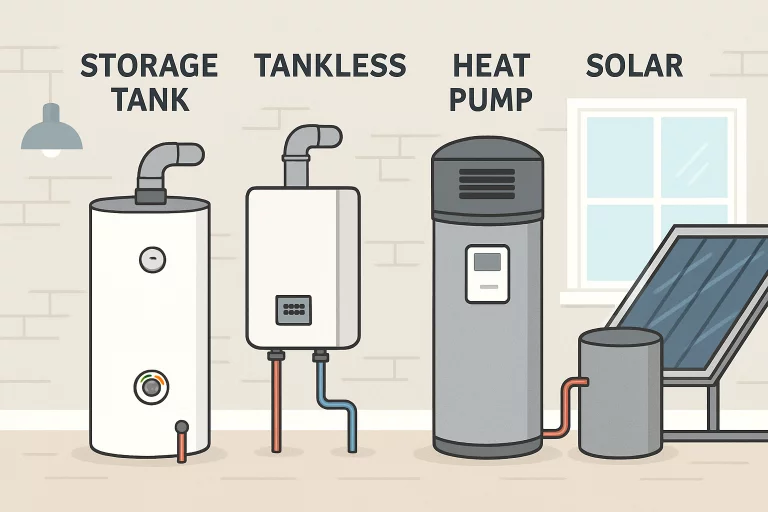
The choice of water heater depends on your lifestyle, household size, and energy goals. Modern technology offers various options, including traditional tanks, solar, and hybrid models, each with advantages. Matching your water heater to your hot water usage patterns ensures a reliable supply while minimizing energy expenditure. Consulting a licensed plumber can help you evaluate installation requirements, capacity needs, and compatibility with your home’s plumbing system to make the best choice. Conventional storage tank water heaters are dependable, cost-effective, and simple in design, but they can waste energy through standby heat loss, leading to higher utility bills. Tankless water heaters are gaining popularity for space and energy savings, as they heat water only as needed, eliminating standby losses and offering an endless hot water supply. They are ideal for smaller households or those prioritizing environmental sustainability and lower monthly bills, but can be scaled for larger homes.
Heat Pump Water Heaters
Heat pump water heaters are energy-efficient, using electricity to transfer heat from the air or ground, making them up to three times more efficient than conventional electric heaters. They work best in mild or warm climates, but some models function well in basements and utility rooms. Solar water heaters harness energy directly from the sun, offering near-zero operational costs and significant reductions in carbon footprint. While installation can be complex and expensive, long-term benefits include near-zero operational costs and reduced carbon footprint. Solar systems are best suited for locations with abundant sunlight, and backup systems may be necessary during cloudy or rainy periods.
Energy Efficiency Considerations
Prioritizing energy efficiency is one of the wisest decisions homeowners can make during water heater installation. Advanced models conserve natural resources and reduce your home’s energy consumption by up to 50% compared to standard systems. New technologies, such as smart controls, precise thermostats, high-quality insulation, and advanced heat exchangers, push modern systems well beyond the minimum Department of Energy standards. These innovations translate into year-round savings and greater control over your home’s comfort.
When comparing models, always check for the Energy Factor (EF) or Uniform Energy Factor (UEF) ratings. The higher the rating, the more efficiently the water heater turns energy into hot water with minimal waste. Remember that energy-efficient models might come at a premium but will pay for themselves through lower monthly bills and may qualify for rebates from local utilities.
Sizing Your Water Heater
Sizing your water heater is crucial for efficiency and comfort. Oversized units waste energy and increase maintenance costs, while too-small units struggle to meet family demands. Estimating hot water needs depends on occupants, bathrooms, and high-demand appliances. Tankless models require higher flow rates, especially for families with multiple appliances. Working with an experienced plumber ensures accurate matching of the heater’s output to your lifestyle, avoiding costly mismatches.
Professional Installation
Water heater installation is a crucial task that should be left to professionals for optimal efficiency, safety, compliance with local building codes, and warranty coverage. Certified plumbers assess fuel type, venting requirements, and placement to prevent errors. Professional installation protects your investment, property, and family’s well-being. When choosing an installer, look for experienced professionals with up-to-date licenses, expertise, references, solid warranties, and transparency regarding costs and local permit requirements.
Maintenance Tips
Regular maintenance is crucial for the longevity and performance of your water heater, regardless of the type. It prevents unexpected breakdowns, maintains high energy efficiency, and ensures safe operation. Neglecting maintenance can lead to sediment buildup, corrosion, and hazardous situations, especially in traditional tank systems. To prolong efficiency and equipment life, flush storage tank heaters annually, inspect and replace the anode rod in conventional tanks, clean inlet filters, and flush the heat exchanger for tankless models. Always check temperature settings (120°F) and test pressure relief valves periodically. Regular inspections by a professional plumber or manufacturer’s instructions ensure smooth operation, regardless of local conditions or climate. If uncertain about maintenance, seek advice from certified professionals or consult the system’s owner’s manual.