Key Takeaways
- Choose EPA-registered repellents for proven effectiveness and safety.
- Proper application is essential to maximize protection and minimize risks.
- Active ingredients like DEET and picaridin have different benefits and limitations.
- Layer your protective strategy by combining repellent with physical and environmental safeguards.
Table of Contents
- Choosing the Right Repellent
- Proper Application Techniques
- Understanding Active Ingredients
- Additional Protective Measures
- Repellent Use in Children
- Natural Repellent Options
- Common Mistakes to Avoid
- Conclusion
Outdoor adventures, backyard relaxation, and travel often come with the risk of insect bites, which aren’t just uncomfortable—they can also expose you to diseases carried by mosquitoes and ticks. Protecting yourself and your family begins with proper use of insect repellents and understanding the safest choices available. Whether you’re planning a camping trip or just looking to make your next summer evening bite-free, discovering where to find quality insect repellent Toronto is key. Using the right products and techniques not only maximizes your protection but also minimizes potential health risks from both insects and misapplied repellents.
Knowing the differences between active ingredients, the safest application techniques, and common pitfalls allows you to make informed decisions for yourself and your loved ones. When selecting an insect repellent, choosing EPA-registered products ensures you’re getting scientifically validated results. Combining these with additional protective measures, such as wearing appropriate clothing or reducing local mosquito populations, further boosts your defense.
This comprehensive guide will walk you through the essentials of insect repellent safety, ingredient wisdom, and how to protect even the youngest family members. With these best practices, you’ll be ready to enjoy the outdoors with confidence and peace of mind.
Choosing the Right Repellent
Your first step in protection is selecting an insect repellent that meets safety and effectiveness standards. Choose products explicitly labeled as EPA-registered, which means they have been rigorously tested for both safety and efficacy. Pay close attention to the active ingredients—DEET, picaridin, and oil of lemon eucalyptus are among the most studied and reliable options. These choices are recognized for providing dependable defense against a variety of biting insects, including mosquitoes and ticks.
Proper Application Techniques
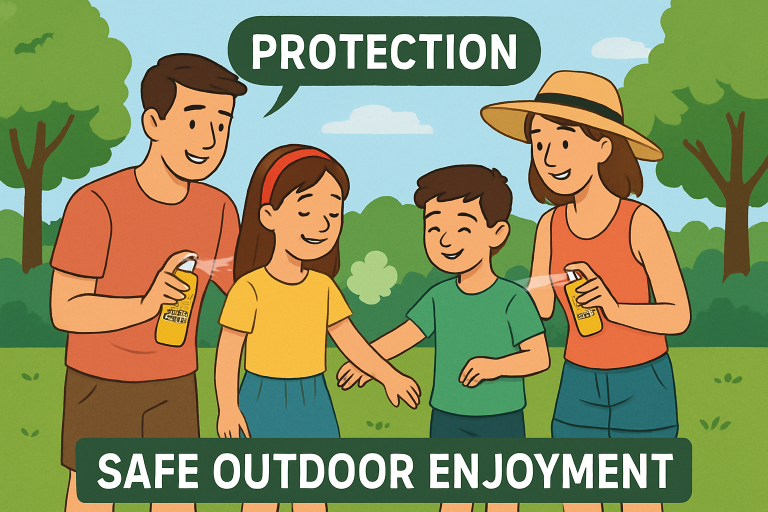
For your insect repellent to be most effective, how you apply it is just as important as what type you select. Remember to use repellents only on exposed skin or on the external surfaces of clothing—never underneath. Avoid sensitive areas, such as the eyes and mouth, and apply sparingly and carefully around the ears. It is critical not to use repellent on cuts, wounds, or irritated skin, as this can increase absorption and further irritate the skin. Once your outdoor exposure has ended, make it a habit to wash treated skin with soap and water to reduce potential build-up.
Understanding Active Ingredients
Three primary active ingredients are commonly found in effective insect repellents:
DEET
DEET is one of the most well-researched and widely used insect repellent ingredients globally. Higher DEET concentrations offer longer-lasting effectiveness, but even low concentrations (10-30%) are generally suitable for most outdoor activities. Products containing DEET are highly effective against mosquitoes, ticks, and many other biting insects. Refer to the American Academy of Pediatrics recommendations for guidance on choosing the right concentration for your needs, especially when using it with children.
Picaridin
Picaridin offers odorless, non-greasy protection and is less likely to cause skin irritation compared to DEET, making it an appealing option for those with sensitive skin. It provides excellent defense against mosquitoes and ticks and is recommended for individuals who prefer a more neutral or unscented product.
Oil of Lemon Eucalyptus (OLE)
This plant-based, synthetic alternative appeals to those seeking a more natural option. OLE’s effectiveness is supported by scientific studies, but it should not be used on children under 3 years old due to safety concerns. Always check labels for age-specific recommendations.
Additional Protective Measures
While insect repellent serves as the first line of defense, layering your approach provides even greater protection. Wear long-sleeved shirts and pants, especially in heavily infested areas. Use mosquito nets around sleeping areas to keep biting insects at bay during the night. According to the CDC, effective mosquito prevention also includes regularly eliminating standing water around your home and yard to disrupt mosquito breeding and reduce overall insect numbers in your environment.
Repellent Use in Children
Special care is needed when applying insect repellent to children. Always use products containing no more than 30% DEET for kids, and never apply repellent to their hands—to avoid accidental ingestion—or over cuts and abrasions. For safe application, spray or rub the repellent onto your own hands first, then gently spread it onto the child’s exposed skin. Avoid applying to children under two months old altogether, and for natural repellents, check labels for age restrictions.
Natural Repellent Options
Natural alternatives can provide additional mosquito and tick protection, though their effectiveness and longevity may not match those of chemical options. Essential oils such as citronella, eucalyptus, and lavender can repel insects when used in sprays or diffusers, but they should be reapplied often and may cause irritation for sensitive users. Enhancing your landscape with plants like marigolds and basil, known for their bug-repelling properties, creates a low-maintenance, continuous line of defense.
Common Mistakes to Avoid
Misusing insect repellents can compromise your protection or even cause irritation. Never apply repellents under clothing, and avoid using expired products, as they might not work effectively. Combining repellent with sunscreen by applying them at the same time can also dilute their potency—apply sunscreen first, let it absorb for about 15 minutes, and then apply repellent on top as needed.
Conclusion
Consistent and correct use of insect repellents helps prevent the discomfort of bites and the risk of insect-borne illnesses. Combine effective, EPA-registered repellents with smart environmental and clothing choices to build a comprehensive line of defense for yourself and your family. Always read product instructions, tailor your approach to local conditions, and stay informed with trusted resources to ensure your safety outdoors.