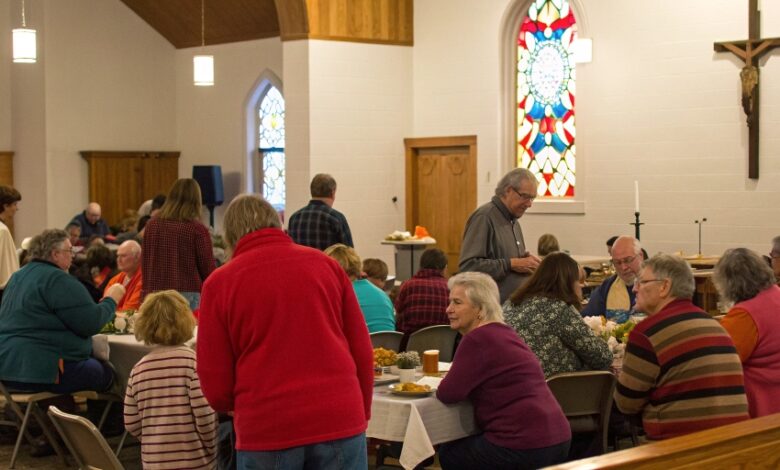
In an era of rapidly changing social landscapes and growing community needs, faith-based organizations remain steadfast pillars of hope and support. By blending spiritual guidance with practical assistance, these institutions not only uplift individuals but also fortify entire neighborhoods. For those seeking a vibrant and inclusive spiritual community, organizations such as religious fellowship Kaukauna, WI, serve as a beacon of faith-driven service and connection. The strength of faith-based engagement reaches far beyond worship services. Through innovative partnerships, youth outreach, housing initiatives, and leadership training, these communities drive meaningful change at the local and even national levels. Rooted in compassion and purpose, they transform challenges into opportunities for unity, growth, and renewal.
Faith-Based Housing Initiatives
As housing costs continue to climb and affordable options dwindle in many cities, faith-based organizations are stepping in to address the crisis. In Virginia, the Arlington Presbyterian Church converted church property into a six-story affordable housing complex, opening doors for families earning 60% or less of the area’s median income. Projects like these go beyond providing shelter—they anchor residents in safe spaces, nurture economic self-sufficiency, and create vibrant, inclusive neighborhoods.
Their inspiration echoes across the nation. From suburban communities to urban centers, houses of worship are transforming underutilized land into homes that prioritize dignity and accessibility. According to The Christian Chronicle, this trend represents a broader shift as more congregations take on a more active role in addressing community challenges. This direct approach not only meets an immediate need but also sets a precedent for innovative, mission-driven stewardship of resources.
Interfaith Collaborations
When faith groups unite across denominations and traditions, their collective impact magnifies. The Wilson Read & Grow initiative in Wilson, North Carolina, stands out as a model of interfaith partnership. With five local churches pooling their resources, the initiative addresses hunger, enhances literacy, and imparts entrepreneurial skills to young people. These efforts underscore how collaboration allows communities to leverage strengths, address diverse needs, and bridge social divides.
Empowering one another amplifies the reach of their support. By channeling both material and spiritual resources, interfaith alliances extend assistance to underserved populations, respond nimbly to crises, and foster a culture of shared responsibility and respect.
Youth Engagement Through Service
Reaching the next generation is foundational to the ongoing vitality of any community. Service projects embedded with faith offer youth a unique path to personal growth and civic engagement. One standout initiative, The Cornerstones Project at Azusa Pacific University, was launched with a $5 million grant, aiming to impact 10,000 young people. By blending faith, service, and leadership training, these programs cultivate a sense of purpose and commitment to positive action.
Youth who participate in such projects not only develop practical skills but also gain a meaningful connection to their values and communities. Service fosters empathy, instills responsibility, and encourages young people to envision themselves as agents of change—ensuring that faith-based organizations remain dynamic and forward-thinking.
Sports Programs as Community Builders
Sports serve as a natural bridge for youth engagement and community building, and faith-based organizations have effectively leveraged this potential, yielding remarkable results. In Phoenix, collaborative sports programs affiliated with local churches teach discipline, teamwork, and leadership—all in a spiritually nurturing environment. Such programs offer more than physical activity; they mentor young people, strengthen relationships across generations, and create a sense of belonging.
These sports programs promote positive behaviors and provide guidance during a critical stage of development. The camaraderie and support found on the field or in the gym translate into healthier connections and a healthier community overall.
Empowering Leaders for Social Change
Transformative change starts with effective, committed leaders. Organizations provide training and resources to equip faith leaders for social advocacy and community organizing. Workshops on civic engagement, policy navigation, and strategic planning empower these leaders to address systemic barriers and mobilize their congregations for the common good.
Developing Lasting Impact
When equipped with the right knowledge and tools, faith leaders are poised to influence local policies, advocate for justice, and build enduring collaborations. By investing in leadership development, faith-based organizations ensure their capacity to respond effectively to evolving community needs and champion significant social transformation.
Overcoming Challenges in Faith-Based Community Building
Despite their numerous successes, faith-based organizations often encounter challenges such as resource shortages, shifting community needs, and occasional resistance to new initiatives. Overcoming these hurdles requires adaptability, transparent communication, and innovative partnerships. Stories like Arlington Presbyterian Church’s transformation illustrate how creativity and perseverance can turn setbacks into triumphs, serving as valuable roadmaps for others in the field.
The Future of Faith-Based Community Engagement
The journey ahead is rich with potential. By broadening interfaith collaboration, adopting novel outreach strategies, and fostering youth and leadership development, faith-based organizations will continue to nurture stronger, more inclusive communities. Their dual commitment to faith and service remains an essential foundation for resilience and hope in an ever-changing world.