Rammed earth walls blend ancient building techniques with modern sustainable architecture. This construction method uses compacted soil, often mixed with stabilizers like cement, to create strong, eco-friendly structures. Homeowners love their natural aesthetic and energy efficiency. But are they right for your home? This article explores the pros and cons of rammed earth walls. We’ll cover their benefits, drawbacks, and key considerations for modern homes. Get ready to discover if this sustainable building material suits your dream house.
What Are Rammed Earth Walls?
Rammed earth construction builds walls by compacting soil, sand, and stabilizers. Workers layer the mix in formwork, then tamp it down. This creates solid, durable walls. The process dates back to the Fertile Crescent and Mesolithic man. Iconic structures like the Great Wall of China used it. Today, rammed earth homes shine in sustainable design. They use local materials, reducing embodied energy and carbon dioxide emissions. Projects like the Nk’Mip Desert Cultural Centre and Kasbahs of Morocco showcase their beauty.
Pros of Rammed Earth Walls
1. Sustainability and Eco-Friendly Design
Rammed earth walls excel in sustainable construction. They use natural materials like soil and sand. This reduces reliance on fossil fuels. Local materials cut transport emissions, lowering embodied carbon. The Inventory of Carbon and Energy highlights their low environmental impact. Stabilized rammed earth, often with cement, boosts durability. This makes them a top choice for environmentally friendly homes. Eco-conscious homeowners value their role in sustainable architecture.
2. Energy Efficiency and Thermal Performance
Rammed earth walls act as a thermal battery. Their high thermal mass absorbs and releases heat slowly. This keeps homes cool in summer and warm in winter. Energy savings are significant in various climate zones. The walls’ energy-efficient design reduces heating and cooling costs. Homeowners in NW Arkansas or Australian rammed earth walls report lower utility bills. This makes them ideal for eco-living.
3. Durability and Longevity
Rammed earth walls boast impressive compressive strength. They resist fire, making them fire-resistant. Their pest resistance protects against pest attacks, unlike natural timber. Properly sealed walls handle moisture control well. Structures like the Brick Kiln House prove their longevity. With minimal maintenance, these walls last decades. They withstand seismic zones with proper engineering, meeting building codes like the National Construction Code or New Zealand Building Code.
4. Aesthetic Appeal and Customization
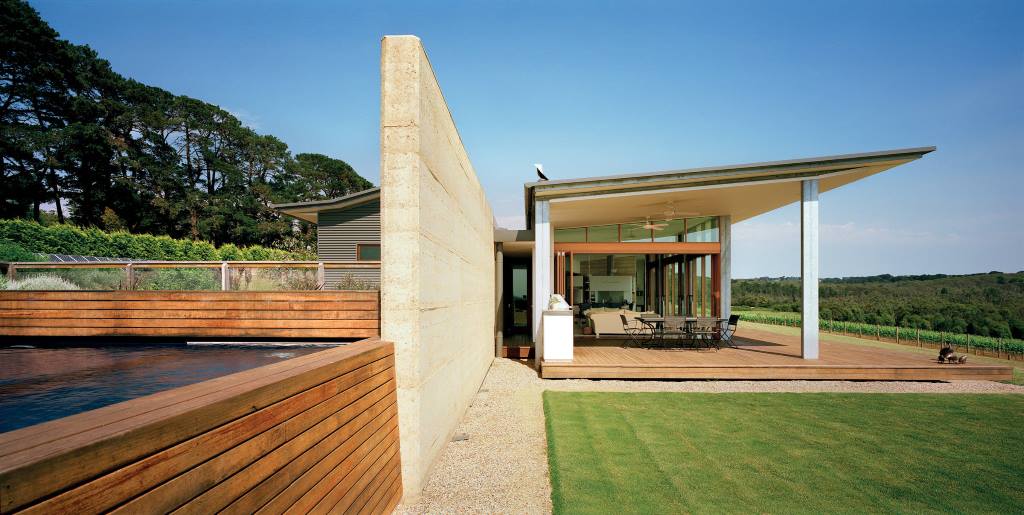
Rammed earth walls offer a unique, natural look. Builders add natural pigments or iron-oxide pigments for vibrant colors. The layered texture resembles sedimentary rock. Homeowners can pair them with cladded walls or sandwich walls for variety. Interior designers love their versatility in sustainable design. Made In Earth showcases stunning rammed earth homes. The aesthetic blends rustic charm with modern elegance.
5. Sound Insulation
These walls provide excellent sound insulation. Their dense structure blocks external noise. This creates quiet, peaceful interiors. Homeowners near busy roads benefit greatly. The thickness of rammed earth walls enhances this feature. It’s a key advantage for urban or suburban homes.
Cons of Rammed Earth Walls
1. High Initial Costs
Building rammed earth walls can be expensive. The process requires skilled labor and specialized equipment like pneumatic tampers. System formwork or hybrid formwork adds to costs. Geotechnical reports ensure soil suitability, increasing expenses. Full construction services may be needed for complex designs. These factors make rammed earth pricier than reinforced concrete or conventional building materials.
2. Time-Intensive Construction
Rammed earth construction takes time. Workers layer and compact soil meticulously. Build time varies based on project size. Drywall molds or pneumatically powered tampers speed up the process, but it’s still slower than traditional methods. Homeowners must plan for longer construction timelines. This can delay move-in dates.
3. Moisture Sensitivity
Unsealed rammed earth walls absorb moisture. This can weaken their structure over time. Sealing rammed earth walls is crucial for longevity. In humid climates, moisture control is a challenge. Australian Standards and building permits often require specific treatments. Homeowners must invest in proper sealing to avoid issues.
4. Limited Contractor Availability
Not all contractors specialize in rammed earth construction. Finding experts in pise construction or stabilized rammed earth can be tough. This is especially true in regions like NW Arkansas. Homeowners may need to hire niche firms like Nuance Energy for solar arrays or earth anchor foundations. Limited expertise can increase costs and delays.
5. Regulatory Hurdles
Building codes vary by region. Some areas lack clear guidelines for rammed earth homes. The National Construction Code and New Zealand Building Code may require extra documentation. Geotechnical reports and scientific testing ensure compliance. Navigating building permits can be complex. Homeowners must research local regulations carefully.
Read Also:
Steps to Successfully Relocate to a Coastal Community
Fiberglass Pools: Modern Solutions for Backyard Living
Key Considerations for Rammed Earth Homes
Climate and Location
Climate considerations impact rammed earth performance. In seismic zones, reinforcement like steel rebar is essential. Hot, arid climates suit rammed earth best. Humid areas need robust moisture control. Check your climate zone before building. This ensures the walls perform well long-term.
Material Selection
Choosing the right soil is critical. Local materials reduce costs and emissions. Soil stabilization, like cement-stabilized rammed earth, enhances strength. Avoid cow dung or organic additives in modern builds. Test soil for compressive strength and stability. This ensures a solid foundation.
Maintenance Needs
Rammed earth walls require minimal upkeep. Regular sealing prevents moisture damage. Inspect walls for cracks or wear. Address issues quickly to maintain durability. Proper maintenance extends the life of your home.
Energy Integration
Rammed earth pairs well with solar energy. Ground-mount solar arrays, like Osprey PowerRACK®, complement eco-friendly designs. This boosts energy efficiency further. Consider integrating sustainable ideas like mineral wood insulation or expanded polystyrene for added performance.
The Nk’Mip Desert Cultural Centre in Canada uses rammed earth for its stunning look. The Kasbahs of Morocco blend tradition with durability. In NW Arkansas, modern rammed earth homes showcase energy efficiency. The Brick Kiln House combines natural materials with contemporary design. These examples highlight the versatility of rammed earth construction.
FAQs
Why Are Rammed Earth Walls Considered Sustainable?
They use local, natural materials, reducing embodied energy and carbon emissions. This supports eco-friendly construction.
How Do Rammed Earth Walls Perform in Cold Climates?
Their thermal mass retains heat, improving energy efficiency. Proper insulation ensures comfort in cold weather.
Are Rammed Earth Walls Earthquake-Safe?
With reinforcement like steel rebar, they perform well in seismic zones. Engineering ensures compliance with building codes.
What Is the Cost of Building Rammed Earth Walls?
Costs vary but are often higher than traditional materials due to labor and equipment. Expect $100–$200 per square foot.
Can I Customize the Look of Rammed Earth Walls?
Yes, natural pigments and iron-oxide pigments create vibrant, unique designs. The texture adds aesthetic appeal.
Is Rammed Earth Right for Your Home?
Rammed earth walls offer a sustainable, durable, and beautiful option for modern homes. They save energy, resist fire, and reduce environmental impact. However, high costs, long build times, and moisture concerns are real challenges. Consider your climate, budget, and local regulations before choosing. Rammed earth homes blend eco-living with timeless style. Ready to explore this sustainable construction method? Contact a rammed earth contractor today to discuss your dream home!
References
- Inventory of Carbon and Energy: https://www.carbontrust.com/resources/inventory-of-carbon-and-energy
- National Construction Code: https://ncc.abcb.gov.au/
- New Zealand Building Code: https://www.building.govt.nz/building-code-compliance/
- Nk’Mip Desert Cultural Centre: https://www.nkmipdesert.com/
- Made In Earth: https://www.madeinearth.studio/