
A dazzling smile isn’t just a cosmetic asset; it’s a window into your overall well-being. Robust oral hygiene is the cornerstone of a healthy mouth, impacting everything from your ability to chew and speak comfortably to your systemic health. In today’s fast-paced world, maintaining consistent and effective oral care can seem daunting, but it’s an investment that pays dividends in lifelong health and confidence. This comprehensive guide delves into the intricate world of oral hygiene, providing you with the knowledge and tools to achieve and maintain a vibrant, healthy smile.
The Foundation: Brushing Techniques and Toothpaste Selection
Brushing your teeth might seem like a simple, ingrained habit, but many individuals unknowingly employ ineffective techniques. The gold standard is the modified Bass technique, which involves angling your toothbrush at a 45-degree angle toward the gumline and using gentle, short strokes. This method effectively removes plaque and debris from the critical gumline area, where bacteria tend to accumulate. Aim for two minutes of thorough brushing, ensuring you cover all surfaces of your teeth – the outer, inner, and chewing surfaces. When it comes to toothpaste, opt for a fluoride toothpaste approved by your local dental association. Fluoride strengthens enamel, making teeth more resistant to decay. Consider your specific needs; if you have sensitive teeth, look for toothpaste formulated for sensitivity. If you’re prone to tartar buildup, choose a tartar-control toothpaste. Avoid abrasive toothpaste as it can wear down enamel over time.
The Silent Partner: Flossing and Interdental Cleaning
While brushing cleans the visible surfaces of your teeth, flossing is crucial for removing plaque and food particles from between your teeth and under the gumline, areas your toothbrush can’t reach. Neglecting flossing can lead to gum inflammation (gingivitis) and eventually periodontitis, a more severe form of gum disease. Choose a floss that suits your preferences – waxed, unwaxed, or dental tape. Gently slide the floss between your teeth, curving it into a “C” shape against each tooth surface. Move the floss up and down, ensuring you clean beneath the gumline. For those who find traditional flossing challenging, interdental brushes or water flossers can be effective alternatives. These tools can be particularly beneficial for individuals with braces, bridges, or wider gaps between their teeth.
The Power of Rinsing: Mouthwash and Its Benefits
Mouthwash isn’t just a breath freshener; it plays a vital role in a comprehensive oral hygiene routine. Therapeutic mouthwashes containing fluoride or antimicrobial agents can further reduce plaque buildup and combat bacteria. Fluoride mouthwashes strengthen enamel, while antiseptic mouthwashes kill bacteria that contribute to gum disease and bad breath. Choose a mouthwash that aligns with your specific needs. If you have a dry mouth, opt for an alcohol-free mouthwash. If you’re prone to gingivitis, consider a mouthwash containing chlorhexidine (use as directed by your dentist). Remember, mouthwash should complement brushing and flossing, not replace them.
Dietary Choices and Their Impact on Oral Health
Your diet significantly influences your oral health. Sugary and acidic foods and drinks create an environment conducive to bacterial growth and enamel erosion. Limit your intake of sugary snacks, sodas, and fruit juices. Instead, focus on a balanced diet rich in fruits, vegetables, and whole grains. Calcium-rich foods like dairy products strengthen teeth and bones. Crunchy fruits and vegetables like apples and carrots act as natural cleansers, stimulating saliva production and removing food particles. Stay hydrated by drinking plenty of water, which helps rinse away food debris and neutralize acids.
The Crucial Role of Regular Dental Checkups
Even with meticulous home care, regular dental checkups are essential for maintaining optimal oral health. Professional cleanings remove hardened plaque (tartar) that can’t be removed with brushing or flossing. Your dentist can also identify early signs of dental problems like cavities, gum disease, and oral cancer. Early detection and treatment can prevent more serious and costly issues down the line. Aim for dental checkups and cleanings every six months, or as recommended by your dentist.
Beyond the Basics: Addressing Specific Oral Health Concerns
Oral health needs vary depending on individual circumstances. Individuals with braces require specialized cleaning techniques to remove plaque and food particles trapped around brackets and wires. Those with dentures need to clean their dentures daily and remove them at night to allow their gums to rest. Pregnant women experience hormonal changes that can increase their risk of gum disease, making meticulous oral hygiene even more critical. Individuals with diabetes are more susceptible to gum infections and should pay close attention to their oral health. If you have any specific oral health concerns, consult your dentist for personalized advice.
The Connection Between Oral Health and Systemic Health
Emerging research highlights the intricate link between oral health and overall health. Gum disease has been associated with an increased risk of heart disease, stroke, diabetes, and respiratory infections. Bacteria from the mouth can enter the bloodstream and contribute to inflammation throughout the body. Maintaining good oral hygiene isn’t just about preserving your smile; it’s about safeguarding your overall well-being.
Understanding Periodontal Disease and Prevention
Periodontal disease, or gum disease, is an infection of the tissues that support your teeth. It starts with gingivitis, an inflammation of the gums, and can progress to periodontitis, which damages the soft tissues and bones that support your teeth. Early signs of gum disease include red, swollen, or bleeding gums, persistent bad breath, and receding gums. To prevent gum disease, practice meticulous oral hygiene, including brushing twice daily, flossing daily, and attending regular dental checkups. If you notice any signs of gum disease, seek professional dental care promptly.
Related: Conquering the Fear: A Guide to Overcoming Swallowing Anxiety
The Importance of Tongue Cleaning
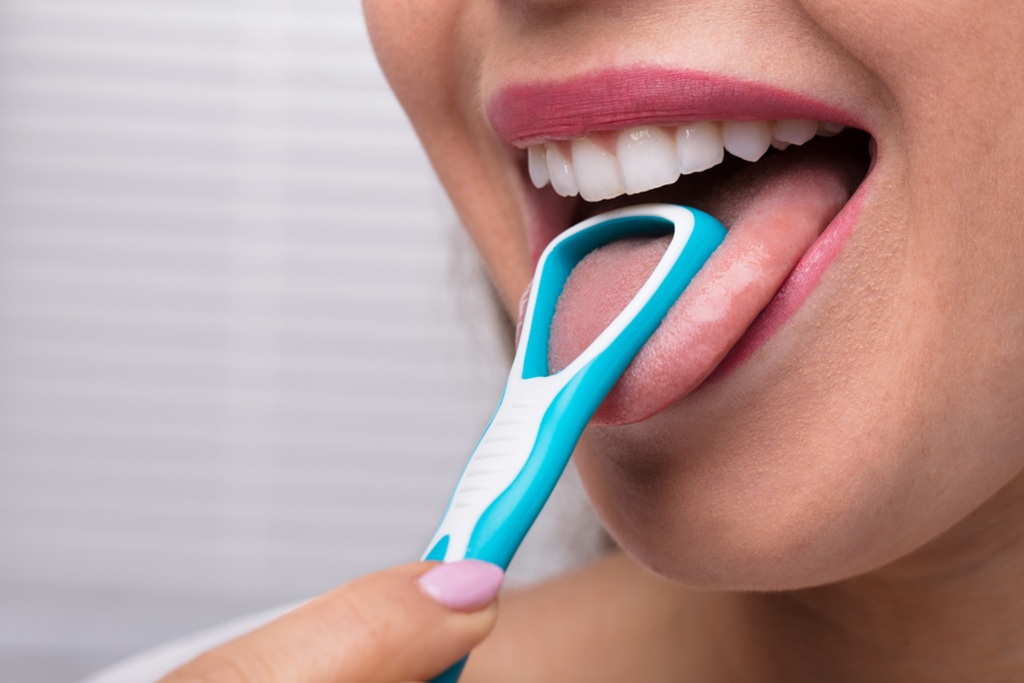
Your tongue harbors bacteria that contribute to bad breath and can affect your overall oral health. Using a tongue scraper or a toothbrush with a tongue cleaner on the back can effectively remove these bacteria. Gently scrape or brush your tongue from back to front, rinsing the scraper or brush after each stroke. Incorporating tongue cleaning into your daily routine can significantly improve your breath and oral hygiene.
The Role of Saliva in Oral Health
Saliva plays a crucial role in maintaining oral health. It helps neutralize acids, wash away food particles, and remineralize enamel. Certain medications and medical conditions can cause dry mouth (xerostomia), which increases the risk of tooth decay and gum disease. If you experience dry mouth, talk to your dentist or doctor. They may recommend saliva substitutes, sugar-free gum, or other strategies to stimulate saliva production.
Lifestyle Habits and Their Impact on Oral Health
Certain lifestyle habits can negatively impact your oral health. Smoking and tobacco use are major risk factors for gum disease, oral cancer, and tooth loss. Excessive alcohol consumption can also increase your risk of oral cancer and other oral health problems. Grinding your teeth (bruxism) can wear down enamel and cause jaw pain. If you engage in any of these habits, consider making changes to protect your oral health.
Related: The Role of Outsourcing Travel Nurses in Addressing Nursing Shortages
Optimal Oral Hygiene (FAQs):
- How often should I brush my teeth?
- You should brush your teeth at least twice a day, once in the morning and once before bed.
- Is flossing really necessary?
- Yes, flossing is essential for removing plaque and food particles from between your teeth, which your toothbrush can’t reach.
- What type of toothpaste should I use?
- Choose a fluoride toothpaste approved by your local dental association. Consider your specific needs, such as sensitivity or tartar control.
- How often should I see my dentist?
- You should see your dentist for checkups and cleanings every six months, or as recommended by your dentist.
- Can oral health affect my overall health?
- Yes, research has linked poor oral health to an increased risk of heart disease, stroke, diabetes, and other health problems.
- What are the signs of gum disease?
- Red, swollen, bleeding gums, persistent bad breath, and receding gums are common signs.
- Can I use mouthwash instead of brushing?
- No. Mouthwash complements brushing and flossing, but it cannot replace them.
- Are electric toothbrushes better than manual toothbrushes?
- Electric toothbrushes can be more effective at removing plaque, but a manual toothbrush can be just as effective if used properly.
- Does teeth whitening damage enamel?
- Professional teeth whitening is generally safe, but over-the-counter whitening products can be abrasive and damage enamel if used improperly.
Conclusion:
Achieving and maintaining optimal oral hygiene is a lifelong commitment that requires consistent effort and attention. By mastering the techniques outlined in this guide, adopting healthy lifestyle habits, and attending regular dental checkups, you can safeguard your oral health and enjoy a radiant, healthy smile for years to come. Remember that a healthy mouth contributes to a healthier you, and the benefits extend far beyond aesthetics. Prioritize your oral hygiene, and you’ll reap the rewards of a confident, healthy smile and a better overall quality of life.