Supporting adults with developmental disabilities is more than providing care—it’s about unlocking their potential through creativity, inclusion, and meaningful community participation. By embracing innovative approaches in both everyday activities and structured programs, families and organizations can make a genuine impact on quality of life while cultivating mutual understanding. For those interested in broader support communities, such as senior assisted living MO, many principles of creative engagement apply across age and ability.
Whether working with young adults transitioning to independence or supporting older adults with longstanding needs, these approaches shape environments where everyone can flourish despite challenges or differences. Fostering independence, skill-growth, and connection for adults with developmental disabilities requires more than traditional support models. Innovative programs, adaptable technologies, and culturally diverse experiences help individuals connect with their communities, fostering achievement, identity, and a sense of belonging. Success frequently involves thinking creatively—employing new communication methods or redesigning environments to improve accessibility. These initiatives encourage growth, challenge social stigmas, and promote acceptance, thereby strengthening and making communities more inclusive.
Art Therapy: A Canvas for Expression
Creative practice is a bridge to self-esteem, creativity, and non-verbal communication for adults with developmental disabilities. Art therapy—encompassing painting, drawing, sculpture, and craft—can reveal talents that are otherwise hidden beneath social or verbal limitations. Whether it’s engaging with colorful paints, creating tactile sculptures, or weaving textiles, the artistic process itself helps individuals communicate when words fail or are insufficient. Programs enable participants to develop and showcase their work, building confidence and fostering meaningful social connections. Some art therapy sessions encourage collaborative projects, promoting teamwork and offering a safe space for emotional exploration. Studies published by Psychology Today emphasize the mental health benefits of creative expression, confirming it as a vital tool in care settings. Participants often report a reduction in anxiety and an enhanced sense of self-efficacy after regular engagement with art. Moreover, art classes or group exhibitions can integrate family members, care providers, and the broader public, further reinforcing inclusion and appreciation for diverse abilities.
Music and Dance: Rhythms of Inclusion
Musical and dance activities offer profound social and emotional benefits, playing a vital role in many support programs for adults with developmental disabilities. Participation in rhythm groups, adaptive dance, or singing sessions promotes positive peer interaction, builds motor coordination, and delivers genuine joy. These activities offer an accessible way for individuals of all abilities to express themselves while fostering social bonds. Music and dance therapists often tailor experiences to an individual’s sensory and cognitive needs, ensuring everyone can join at their own pace. This personalization makes it easier for individuals with sensory sensitivities or mobility challenges to participate and enjoy the moment fully. Techniques like improvisational movement or drumming circles can unlock creativity and support sensory integration. The American Music Therapy Association highlights research showing improvements in mood, communication skills, and even memory retention among participants. In addition, public performances or community showcases offer participants the thrill of achievement and the opportunity to demonstrate their capabilities to friends, family, and the public.
Leveraging Technology for Engagement
Technology provides powerful tools for fostering independence and making daily life more accessible. Assistive devices and communication aids, such as tablets with speech apps (like Proloquo2Go or TouchChat), bridge communication barriers and can help streamline daily tasks, enabling users to express their needs or explore their interests independently. Innovations like the avatar robot “OriHime-D” facilitate remote work and virtual social connections, allowing individuals with physical limitations to find purpose and engage beyond geographical limits. Smart home devices and customized schedules can remind users about medications, appointments, or tasks, promoting self-reliance and safety. According to The New York Times, such innovations are revolutionizing the way adults with disabilities interact with the broader world, ushering in a new era of inclusion. Technology also offers leisure activities, such as interactive video games, learning apps, or online social groups, which can help reduce isolation and build new skills in a supportive and accessible manner. As digital literacy grows, the gap between people with and without disabilities continues to narrow, paving the way for greater equality and connection.
Community Involvement: Building Connections
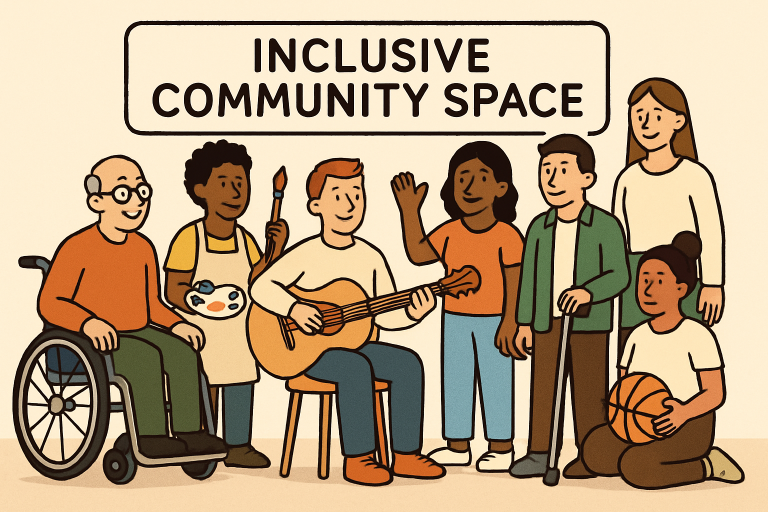
Active engagement in inclusive community spaces builds a sense of belonging and purpose. Community art projects, inclusive fitness classes, and accessible club meetings give adults opportunities to make friends and broaden their horizons. Community gardening, theater troupes, and book clubs designed for individuals of all abilities foster creativity, education, and camaraderie. Neighborhood and municipal programs designed with universal accessibility in mind expand participation while reducing barriers to access. Public transportation training programs, accessible public events, and special needs advocates at recreational centers help ensure everyone is welcomed and supported. For community organizations, fostering these connections not only improves well-being but also enriches the fabric of civic life for everyone. Interacting in these environments helps educate the public, reducing stigma and fostering a culture of respect and inclusion. The relationships formed through community involvement often last a lifetime, reinforcing a sense of identity and self-worth.
Educational Workshops: Lifelong Learning
Lifelong learning is vital for self-efficacy and empowerment, enabling adults with developmental disabilities to acquire practical knowledge and navigate challenges effectively, ultimately celebrating their achievements. Educational workshops tailored for adults can focus on practical skills, ranging from money management and basic meal preparation to using public transportation and professional development. These programs often integrate technology to create engaging, interactive lessons and simulations that mirror real-life situations. Organizations frequently collaborate with local colleges and vocational programs to develop bespoke learning opportunities that directly address individual interests and strengths, supporting progress toward greater independence and employability. Group classes on social cues, digital literacy, or creative writing provide participants with the opportunity to develop communication and problem-solving skills in a structured, supportive environment. The impact of these workshops extends beyond practical outcomes—they foster confidence, help adults discover new passions, and provide spaces to form supportive, lasting friendships.
Adaptive Sports: Promoting Physical Well-being
Adaptive sports offer accessible ways to improve physical health and team spirit by tailoring opportunities for people with different mobility and cognitive abilities. Programs such as Special Olympics and community-based leagues modify rules and equipment to enable individuals of all physical and mental abilities to participate actively. Participants experience the thrill of competition and achievement, gain a sense of belonging with their teammates, and develop discipline and resilience through regular practice. Engaging in sports reduces isolation, improves fitness, and opens new avenues for achievement. As noted by CDC resources, physical activity is associated with improved physical and emotional health across all populations, including those with disabilities. Sports programs frequently partner with universities and medical experts to promote inclusive training and safety, helping each participant reach personal goals and build lasting memories.
Volunteer Opportunities: Fostering Purpose
Volunteer programs provide adults with developmental disabilities a valued role in their communities, emphasizing their abilities over their disabilities. Sorting goods for food banks, helping at local shelters, or participating in park clean-ups are just a few ways individuals can contribute their time and energy to causes that matter. Structured volunteer initiatives, supervised by supportive mentors, encourage responsibility, nurture new skills, and help participants cultivate lasting relationships. These opportunities help develop workplace skills—including punctuality, communication, and task management—while supporting broader social participation. Research from Verywell Mind also suggests that volunteering supports mental health, reduces stress, and increases happiness by providing a sense of accomplishment and a sense of belonging. The contributions of adults with disabilities demonstrate the value of inclusive, diverse communities and reinforce the message that every person has the potential to make a meaningful impact.
Conclusion
Adopting creative, individualized, and inclusive approaches transforms the experience of adults with developmental disabilities. Through art, music, technology, education, sports, and purposeful volunteering, communities can build supportive, enriched, and dynamic environments. These strategies benefit not only those who directly participate but also ripple outward, affecting families, friends, and society as a whole. Every person deserves the opportunity to thrive—together, we can make this a reality through innovation, empathy, and engagement. Investing in creative supports and promoting genuine inclusion helps us create communities where everyone, no matter their ability, can develop, connect, and thrive.