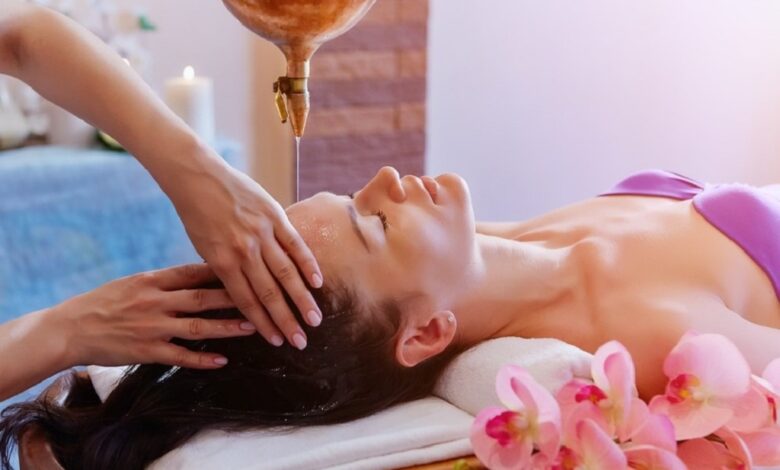
The wellness industry has witnessed a surge in diverse therapeutic approaches, with Ayurvedic spa treatments and Western massage methods standing as two of the most sought-after modalities. While both aim to enhance relaxation and rejuvenation, their techniques, philosophies, and benefits differ significantly. Ayurvedic treatments are rooted in ancient Indian holistic traditions, whereas Western massages are often clinical, targeting specific physical needs.
In this article, we’ll delve into the fundamental differences between these two approaches, helping you decide which suits your personal needs. For those curious about home spa options, explore Aromatherapyhomespa for a range of natural and therapeutic products.
Ayurvedic Spa Treatments: A Holistic Approach

Ayurveda, a 5,000-year-old Indian system of medicine, focuses on balancing the mind, body, and spirit. Ayurvedic spa treatments encompass a variety of therapies that align with an individual’s unique dosha (Vata, Pitta, or Kapha). These treatments integrate herbal oils, meditation, and diet to restore inner harmony.
- Customized Therapies: Ayurvedic treatments begin with a consultation to determine the client’s dosha type, ensuring that therapies are personalized.
- Herbal Oil Application: Abhyanga (a full-body massage) uses warm medicated oils that penetrate deeply to nourish tissues.
- Focus on Energy Channels: Techniques like Marma point therapy aim to unblock energy flow for holistic well-being.
- Spiritual Integration: Practices often incorporate meditation or chanting to enhance mental clarity.
Western Massage Methods: A Scientific Perspective
Western massage techniques have evolved with a focus on anatomy and physiology, targeting muscular tension, pain relief, and improved circulation. Popular forms include Swedish massage, deep tissue, and sports massage.
- Technique-Driven: Western massages emphasize structured movements like kneading, stroking, and friction to relax muscles.
- Specific Health Benefits: Ideal for addressing physical ailments, such as lower back pain or sports injuries.
- Clinical Settings: Often performed in medical spas or physical therapy clinics for therapeutic purposes.
- General Relaxation: Swedish massage, for instance, promotes stress relief and relaxation, making it a popular choice.
For a complete relaxation experience, consider this tip for massage.
Philosophical Differences Between Ayurvedic and Western Techniques
The core distinction lies in the philosophies that drive these practices. Ayurvedic treatments prioritize balance and prevention, while Western methods are typically reactive, addressing specific issues.
- Ayurveda: Views health as a balance between internal and external forces. Treatments aim to cleanse the body and mind of toxins (detoxification).
- Western Massage: Focuses on immediate relief and functional improvement. For example, sports massage targets recovery and performance enhancement.
Read More Also: Understanding the Potential Risks of Skin Care Solutions
Tools and Ingredients: Ancient Wisdom vs. Modern Techniques
Another key differentiator is the use of tools and ingredients in these practices.
- Ayurvedic Spa Tools and Ingredients:
- Herbal oils infused with ingredients like turmeric, ashwagandha, and sandalwood.
- Natural scrubs made from rice powder or chickpea flour.
- Steam therapy using medicinal herbs.
- Western Massage Tools and Equipment:
- Massage guns for deep tissue therapy.
- Essential oils for aromatherapy.
- Hot stones or cupping techniques for enhanced circulation.
Benefits Unique to Ayurvedic Spa Treatments
Ayurvedic spa treatments offer a spectrum of benefits that extend beyond physical relaxation:
- Detoxification through Panchakarma therapies.
- Improved energy balance.
- Reduction in chronic conditions like insomnia and digestive issues.
- Holistic healing that nurtures emotional well-being.
When to Choose Western Massage Over Ayurvedic Spa Treatments
Western massages might be more suitable for individuals with specific physical needs:
- Recovering athletes.
- Chronic muscle pain or tension.
- Sedentary individuals experiencing postural issues.
FAQs
What is the primary goal of Ayurvedic spa treatments?
Ayurvedic treatments aim to achieve a balance of mind, body, and spirit while detoxifying and rejuvenating the individual.
Can Ayurvedic treatments and Western massages be combined?
Yes, combining both can offer comprehensive benefits, addressing both physical and holistic wellness.
Are Ayurvedic spa treatments suitable for everyone?
While they are generally safe, individuals should consult an Ayurvedic practitioner, especially if they have specific health conditions.
Which is more effective: Ayurvedic or Western methods?
Effectiveness depends on individual needs. Ayurvedic methods are better for holistic well-being, while Western methods excel in targeted physical relief.
How long do Ayurvedic treatments typically last?
Sessions can last anywhere from 60 to 90 minutes, with some therapies like Shirodhara taking longer.
Where can I learn more about Ayurvedic treatments?
Explore reputable sources online, or visit wellness centers that specialize in Ayurveda to gain firsthand insights.
Conclusion
Ayurvedic spa treatments and Western massage methods cater to different facets of well-being. While Ayurvedic treatments prioritize internal balance and spiritual health, Western massages excel in addressing muscular tension and immediate relief. Choosing between them depends on your personal wellness goals.