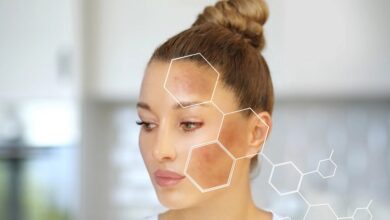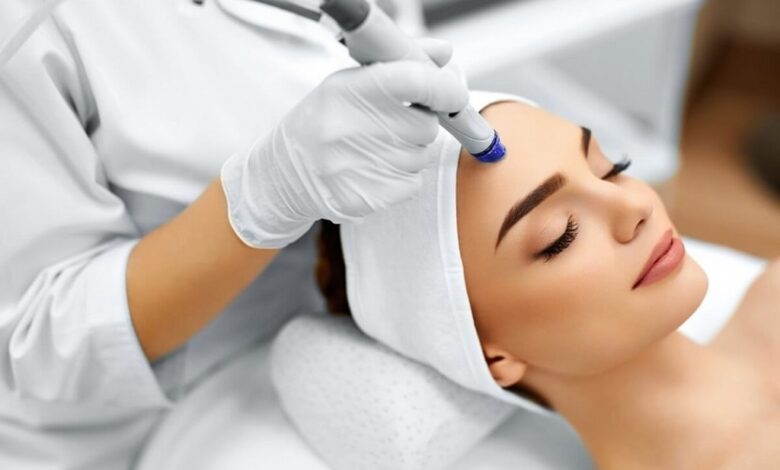
Skincare has become one of the fastest-growing industries, with millions globally spending billions each year to maintain or enhance their skin’s health. However, the appeal of these products often overshadows some hidden risks. Recognizing these risks is crucial for making safe, informed choices about the products we apply to our skin. From harmful ingredients to allergic reactions, it’s essential to understand how skincare products can impact both short- and long-term health. While popular trends in skincare may seem appealing, they are not always safe. For guidance on safe skincare habits, resources like Aboutcookie can provide valuable insights.
Common Risks in Skincare Products
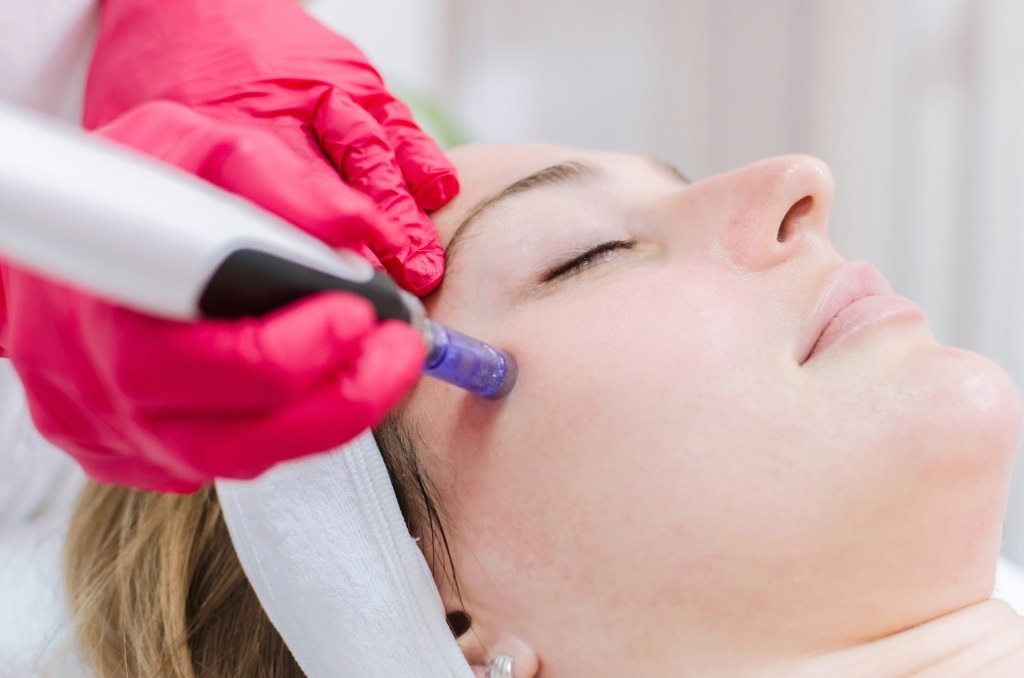
1. Allergic Reactions and Sensitivities
Many skincare products contain fragrances, preservatives, and chemicals that can trigger allergic reactions. Studies show that approximately 10% of people experience allergies to skincare products. Common culprits include:
- Fragrances: Added for scent, they are among the most frequent causes of irritation.
- Preservatives: Ingredients like parabens and formaldehyde releasers can cause redness, itching, or swelling.
If a product causes irritation or burning, stop using it immediately and consult a dermatologist.
Read More Also: How to Develop a Positive Attitude in Students
2. Overuse of Active Ingredients
Potent ingredients like retinoids, salicylic acid, and benzoyl peroxide are effective for acne and wrinkles but can cause harm if overused. Excessive application may result in:
- Skin barrier damage.
- Dryness or chemical burns.
- Increased sensitivity to sunlight and irritants.
Dermatologists recommend balancing these products with moisturizers to maintain skin health.
3. Hormonal Disruption
Certain ingredients, like phthalates and parabens, have been linked to hormone disruption. Research suggests these chemicals may mimic or block hormones, potentially impacting fertility or development. Studies, including those published in Environmental Health Perspectives, highlight these long-term health risks.
4. Risks from Natural Ingredients
Natural does not always mean safe. For example:
- Essential oils (like tea tree or lavender) can cause irritation if used in high concentrations.
- Plant-based ingredients, such as persimmon skin, may pose risks, especially for sensitive skin.
Lesser-Known Risks
1. Photosensitivity
Certain ingredients, such as retinoids and alpha-hydroxy acids (AHAs), can make skin more sensitive to sunlight, increasing the risk of sunburn and long-term damage like skin cancer. To reduce these risks:
- Use sunscreen daily.
- Avoid direct sunlight after applying such products.
2. Dependency on Skincare Products
Overusing moisturizers or other products can weaken the skin’s natural ability to retain moisture, leading to dependency. Practices like “skin fasting,” where you temporarily stop using products, can help restore the skin’s balance.
How to Minimize Skincare Risks
- Patch Testing: Test new products on a small area of skin to check for allergies or sensitivities.
- Research Ingredients: Use resources like the Environmental Working Group (EWG) to assess product safety.
- Consult Professionals: A dermatologist’s advice can guide you toward safer choices, especially if you have conditions like eczema or rosacea.
- Avoid Mixing Certain Ingredients: For example, combining retinoids with AHAs can lead to irritation. Always follow product instructions carefully.
- Prioritize Sunscreen: UV protection is essential, particularly when using products that increase photosensitivity.
Conclusion
Awareness of the risks associated with skincare products is key to achieving a healthy, radiant complexion. By understanding product ingredients, testing for sensitivities, and seeking expert advice, you can make safer, more informed decisions for your skincare routine.