Cold weather can turn a small pavement concern into a larger repair project. Water, freezing temperatures, snow removal, and heavy vehicle traffic all place pressure on driveways and parking areas, especially when cracks or drainage issues already exist. Property owners considering paving services Goshen, IN, can make better long-term decisions by understanding how seasonal conditions affect the surface and the structure beneath it. Whether you manage a commercial lot or maintain a residential driveway, the goal is the same: keep water moving away from the pavement, address damage early, and choose repairs that match the underlying condition. A smooth-looking surface matters, but a stable base, sound edges, and reliable drainage matter just as much.
Why Cold Weather Changes Asphalt Care
Asphalt is built to handle regular traffic and changing weather, but it is vulnerable when moisture gets through surface openings. Water can enter a crack, freeze, expand, and leave the opening wider when temperatures rise again. Repeated freeze-thaw cycles are often more damaging than a single extended cold period because the pavement expands and contracts repeatedly. Snow and ice can hide cracks, low spots, and broken edges until spring. Salt, plow blades, turning tires, delivery vehicles, and runoff from melting snow add stress to already weakened areas. Once water reaches the base beneath the asphalt, the pavement may lose support and begin to sink, crack, or form potholes.
Common Signs Of Seasonal Pavement Damage
A quick inspection after rain, snowmelt, or winter weather can reveal problems before they spread. Look for these warning signs:
- Long surface cracks: These can allow water into lower pavement layers.
- Alligator cracking: A web-like crack pattern may indicate that the base is failing.
- Low spots: Depressions that collect water can become icy hazards and weaken asphalt.
- Loose gravel: Surface raveling may mean the asphalt is breaking down.
- Broken edges: Unsupported pavement edges can crumble under tires or snow equipment.
- Recurring potholes: Failure in the same location often points to a deeper drainage or base issue.
Why Drainage Should Come First
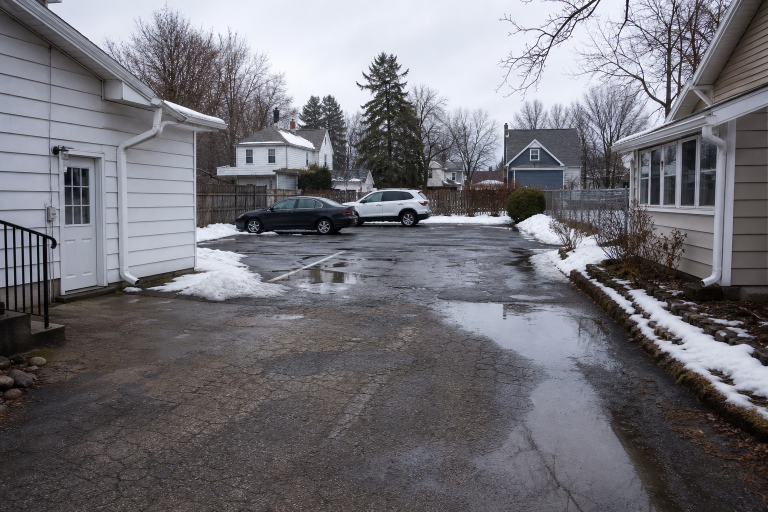
Even well-installed asphalt will struggle if water has nowhere to go. Pavement should direct runoff away from buildings, low areas, and driving lanes. Gutters, downspouts, catch basins, curb lines, and surrounding soil all influence how water moves across a property. After rainfall, inspect the area several hours later. Note puddles that remain, downspouts that discharge beside pavement, and places where melting snow usually gathers. The importance of keeping water out of pavement is clear in transportation maintenance work as well, where surface treatments help limit moisture-related damage and freeze-thaw deterioration.
How To Plan A New Driveway Or Parking Area
Good paving results begin before the first load of asphalt arrives. The visible surface is only one part of the system, so planning should account for the site, traffic, drainage, and base preparation.
- Measure the area: Record length, width, slopes, entrances, and turning areas.
- Review soil and runoff: Identify soft ground, standing water, and poor drainage paths.
- Plan for traffic: A driveway for passenger vehicles needs different support than a delivery lane.
- Prepare the base: Proper grading, aggregate placement, and compaction provide essential support.
- Plan strong edges: Defined borders reduce spreading and crumbling over time.
- Schedule for suitable weather: Dry conditions and appropriate temperatures support proper installation.
Choosing Between Patching, Resurfacing, And Replacement
The right repair depends on what is happening below the surface, not only on how the pavement looks from above.
- Patching: Best for isolated potholes or limited damaged sections.
- Crack sealing: Helps reduce water entry through manageable cracks.
- Resurfacing: Can work when the existing base remains stable, but the surface is worn.
- Full replacement: May be needed when widespread cracking, settlement, or soft base material is present.
If the damage is localized and the nearby pavement remains firm, a targeted repair may be enough. If cracks keep returning, water pools regularly, or large sections are uneven, the base and drainage system deserve closer evaluation before another surface treatment is applied.
A Simple Asphalt Maintenance Plan
Routine care is more effective than waiting until visible damage becomes severe. A seasonal plan helps homeowners and property managers stay ahead of changing conditions.
Spring
- Inspect for heaving, potholes, cracks, and edge damage after snowmelt.
- Clear drains, gutters, and debris from runoff paths.
- Mark areas that need attention before summer traffic increases.
Summer
- Seal appropriate cracks before more moisture reaches the base.
- Check for fading, raveling, oil stains, and worn traffic areas.
- Review markings, pedestrian routes, and parking organization.
Fall And Winter
- Remove leaves and sediment from drains before freezing weather arrives.
- Complete suitable repairs before temperatures become consistently cold.
- Use a snow-removal plan that protects pavement edges and drainage points.
Winter Care Tips For Homeowners And Property Managers
Winter maintenance affects both safety and pavement life. Adjust plow blades for the surface, avoid scraping aggressively near damaged edges, and do not pile snow where it blocks drains or directs meltwater toward buildings. Remove fuel and oil spills promptly, since petroleum products can soften asphalt binder. Keep walking routes and vehicle lanes clearly defined, especially around slopes and entrances where ice often forms. Federal pavement maintenance guidance also emphasizes the connection between pavement condition, drainage, and long-term surface performance.
Questions To Ask Before Work Begins
- What is causing the current damage?
- Will the base be inspected before repairs begin?
- How will water drain away from the pavement?
- What materials and thicknesses are planned?
- How will curbs, landscaping, and nearby structures be protected?
- What weather conditions are needed for the work?
- When can vehicles return to the surface?
- What maintenance should follow the project?
Cold-Weather Asphalt Checklist
- Inspect cracks before winter moisture enters.
- Correct drainage concerns before resurfacing.
- Match pavement design to traffic and vehicle weight.
- Keep drains clear through fall and winter.
- Use careful snow-removal methods.
- Repair recurring potholes at the source.
- Request a professional assessment when damage spreads.
Final Thoughts
Durable asphalt begins below the surface. Water control, proper planning, careful installation, and consistent maintenance all help driveways and parking areas perform through winter conditions and changing seasonal weather. A strong base, effective drainage, timely crack sealing, and routine inspections can reduce the effects of freeze-thaw cycles, heavy traffic, and moisture infiltration. Addressing small problems at the right time can lower the risk of costly repairs, extend pavement service life, and improve overall performance. Regular maintenance also helps preserve appearance, reduce safety hazards, and minimize disruptions caused by unexpected pavement failures. By taking a proactive approach, property owners can create safer, longer-lasting surfaces for vehicles and pedestrians while protecting their investment year-round.