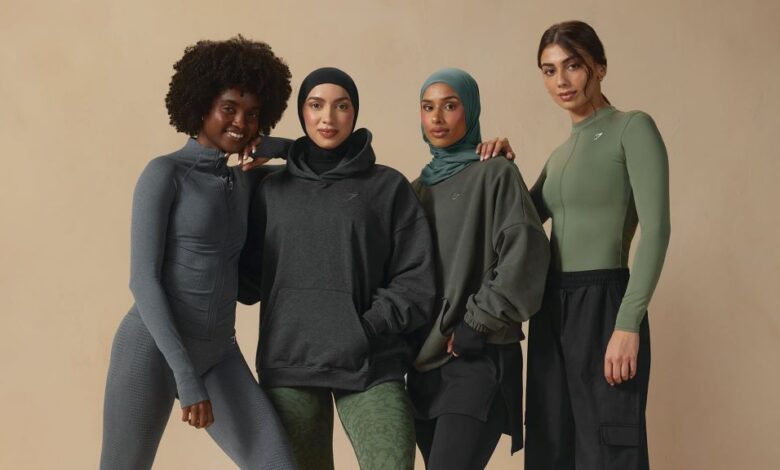
When heading to the gym, choosing the right outfit is key to maximizing comfort, performance, and confidence. Whether you’re a seasoned athlete or a beginner, your workout attire impacts your ability to move freely, stay cool, and avoid injury. This guide explores what to wear to the gym, covering essential clothing, footwear, and accessories, with tips for men and women, seasonal considerations, and style advice—all to help you look good and feel great during your fitness journey.
Why Gym Attire Matters
Your gym wardrobe isn’t just about aesthetics. The right clothing enhances mobility, wicks sweat, and prevents chafing or discomfort. Ill-fitting or inappropriate gear can distract you, limit your range of motion, or even lead to injuries. Plus, a stylish outfit can boost your motivation—when you feel confident, you’re more likely to stick to your routine. Let’s break down the essentials for a functional and fashionable gym look.
-
Tops: Breathable and Flexible Options
For Men
- Moisture-Wicking T-Shirts: Opt for lightweight, breathable fabrics like polyester or blends with spandex. These wick sweat away, keeping you dry during intense cardio or weightlifting.
- Tank Tops: Ideal for hot days or heavy lifting, tanks offer maximum arm mobility. Look for fitted styles to avoid excess fabric getting in the way.
- Long-Sleeve Shirts: Great for cooler weather or outdoor workouts, choose compression-style long sleeves for muscle support and warmth.
For Women
- Sports Bras: A must-have for support. Low-impact bras suit yoga or Pilates, while high-impact ones are best for running or HIIT. Look for adjustable straps and breathable, padded designs.
- T-Shirts and Tanks: Go for loose, breathable tees or fitted tanks in moisture-wicking materials. Mesh panels add ventilation for intense sessions.
- Crop Tops: Popular and stylish, these work well if paired with high-waisted leggings for coverage and comfort.
Tip: Check for anti-odor technology in fabrics to stay fresh during and after your workout.
-
Bottoms: Comfort and Mobility
For Men
- Shorts: Choose 5- to 7-inch inseam shorts for flexibility. Look for built-in liners or compression layers to reduce chafing. Pockets are a bonus for keys or cards.
- Joggers or Track Pants: Perfect for cooler days or warm-ups, opt for slim-fit, stretchy designs in breathable materials.
- Compression Tights: These support muscles, reduce fatigue, and pair well under shorts for added warmth.
For Women
- Leggings: A gym staple, high-waisted leggings offer support and flexibility. Look for squat-proof, stretchy fabrics (nylon, polyester, spandex blends) to ensure opacity and durability.
- Shorts: Biker shorts or loose athletic shorts (3- to 5-inch inseam) are great for running or cycling. Ensure a snug waistband to prevent slipping.
- Joggers: Lightweight, tapered joggers work for low-intensity workouts or casual gym days.
Tip: Test bottoms for squat-proofing—bend over in front of a mirror to ensure no see-through mishaps!
-
Footwear: The Foundation of Your Workout
Your shoes are critical for safety and performance. The right pair depends on your workout type:
- Cross-Training Shoes: Versatile for mixed routines (cardio, weights, classes). Look for cushioning, stability, and a flexible sole.
- Running Shoes: Lightweight with extra cushioning for treadmill or outdoor runs. Check for arch support suited to your foot type (neutral, overpronation, etc.).
- Weightlifting Shoes: Flat, firm soles provide stability for squats and deadlifts. Some have a slight heel for better form.
- Minimalist Shoes: Great for functional training or barefoot-style workouts, but ease into them to avoid strain.
Key Features: Durable outsoles, breathable uppers, and a snug fit (half a size up for swelling during exercise). Replace shoes every 6-12 months or 300-500 miles of use.
-
Socks: Small but Mighty
Skip cotton socks—they trap moisture and cause blisters. Instead, choose:
- Moisture-Wicking Socks: Synthetic or merino wool blends keep feet dry.
- Cushioned Socks: Extra padding at the heel and toe for comfort during high-impact moves.
- Height: Ankle or crew socks prevent slipping; avoid no-show styles for intense workouts.
- Accessories: Practical Add-Ons
- Headbands or Hats: Keep sweat and hair out of your face. Breathable, stretchy headbands work for all, while caps suit outdoor runs.
- Gym Gloves: Protect hands from calluses during weightlifting. Look for padded, grippy designs.
- Towels: A small, quick-dry towel wipes sweat and keeps equipment clean.
- Gym Bag: A ventilated, durable bag with compartments for shoes, clothes, and water bottles keeps you organized.
-
Seasonal Considerations
- Summer: Lightweight, breathable fabrics (mesh, polyester) in light colors to reflect heat. Prioritize ventilation and sun protection (UPF-rated clothing) for outdoor workouts.
- Winter: Layer up! Start with a moisture-wicking base layer, add an insulating long-sleeve, and top with a lightweight jacket. Thermal leggings and wool socks keep you warm without bulk.
- Rainy Days: Water-resistant shoes and a quick-dry jacket are key for outdoor sessions.
-
Style Tips: Look Good, Feel Great
- Color Coordination: Mix neutrals (black, gray, white) with bold accents (neon, red) for a polished look.
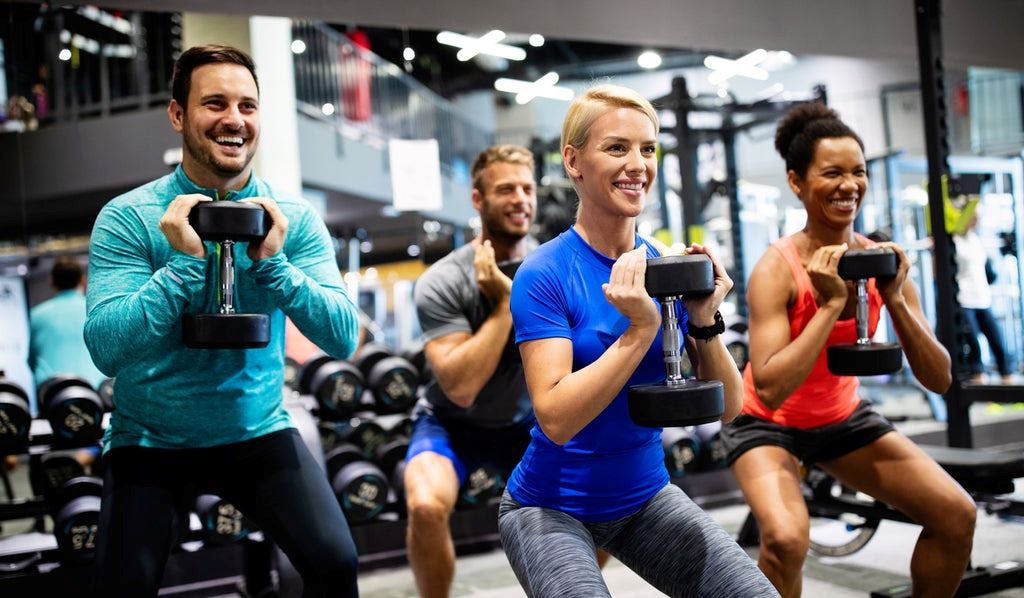
- Fit: Avoid overly baggy clothes—they can catch on equipment. Fitted or semi-fitted styles flatter and function best.
- Personalize: Add fun patterns, motivational slogans, or your favorite brand’s logo to boost confidence.
-
Fabrics to Look For
- Polyester: Durable, lightweight, and sweat-wicking—perfect for intense workouts.
- Spandex: Adds stretch for unrestricted movement.
- Nylon: Strong and quick-drying, ideal for leggings and shorts.
- Merino Wool: Natural, odor-resistant, and great for socks or base layers.
- Avoid Cotton: It absorbs sweat, gets heavy, and clings uncomfortably.
-
Gym Attire for Specific Workouts
- Yoga/Pilates: Stretchy leggings, fitted tanks, and grippy socks for traction on mats.
- Running: Lightweight shorts, cushioned shoes, and a high-impact sports bra (for women).
- Weightlifting: Flat-soled shoes, compression gear, and gloves for grip and support.
- HIIT: Breathable, flexible clothing and cross-trainers for quick, dynamic moves.
-
Budget and Quality Tips
You don’t need to break the bank for great gym gear:
- Affordable Brands: Check out options like Under Armour, Nike, Adidas, or budget-friendly lines at Target or Decathlon.
- Invest in Key Pieces: Spend more on shoes and sports bras for safety and durability; save on tees and shorts.
- Care Tips: Wash in cold water, air dry to preserve elasticity and wicking properties. Avoid fabric softeners—they clog moisture-wicking fabrics.
-
Common Mistakes to Avoid
- Wearing Old Shoes: Worn-out soles increase injury risk—replace regularly.
- Skipping Sports Bras: Lack of support can cause discomfort or strain (for women).
- Overdressing: Too many layers lead to overheating; stick to breathable, light options.
- Ignoring Fit: Too tight restricts movement; too loose risks tripping or snagging.
-
Sustainability and Ethical Choices
Consider eco-friendly brands using recycled materials (e.g., Patagonia, Girlfriend Collective). Look for certifications like Fair Trade or OEKO-TEX for ethical, non-toxic production. Second-hand stores or online marketplaces also offer gently used gear at a discount.
Conclusion
Knowing what to wear to the gym blends function, comfort, and style. Prioritize moisture-wicking fabrics, proper footwear, and workout-specific gear to enhance performance and safety. Add personal flair with colors and patterns to boost your confidence. Whether you’re lifting, running, or stretching, the right outfit sets you up for success. So, gear
Read More:
Free Hand Workouts for Underarm Fat: Tone and Sculpt Without Equipment
Nutrition and Exercise for Optimal Height: Can You Grow Taller After 180cm?