Key Takeaways
- Healthy hair lasts longer than any passing trend.
- Overstyling causes long-term damage that is hard to reverse.
- Scalp health directly affects hair growth and strength.
- Simple, consistent care beats constant product switching.
- More people now choose health-focused routines over trendy looks.
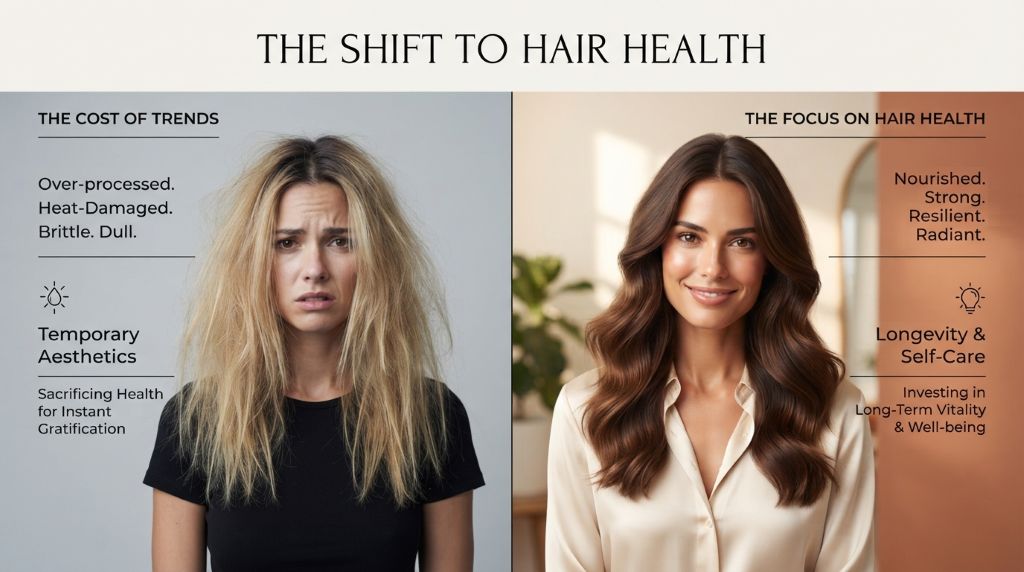
Styling trends come and go every season. However, damaged hair takes months, sometimes years, to fully recover. Many people are now shifting their focus from trendy looks to long-term hair health. This shift makes sense, since healthy hair styles more easily and looks better naturally. As industry experts at NewJerseyStylist.com frequently warn, chasing trends often means more heat, more chemicals, and irreversible damage. Therefore, understanding why health matters more than trends can save your hair. In this article, we explore the reasons behind this shift. You will also learn simple ways to prioritize hair health starting today.
The Rise of Health-Focused Hair Care
Consumer habits have changed significantly over the past few years. People are researching ingredients before buying products. Additionally, social media has made hair damage more visible than ever before. Many influencers now share their damage recovery journeys publicly. This transparency has encouraged others to rethink their own routines. According to a report by Grand View Research, the global hair care market is increasingly driven by demand for clean and health-focused products. This shows a clear shift in consumer priorities. Instead of chasing the latest style, people want hair that stays strong. Furthermore, the rise of “hair cycling” and low-manipulation routines reflects this change. These methods focus on rest and repair rather than constant styling. Search trends also support this shift, with terms like “hair repair” growing steadily. Many people now view healthy hair as a long-term investment. Therefore, brands are adjusting their marketing to highlight ingredients over trends. This change benefits consumers who want real results. Overall, health-focused hair care is no longer a niche interest. It has become a mainstream priority for many people worldwide.
How Styling Trends Can Damage Your Hair
Many popular styling trends rely heavily on heat and chemical treatments. Frequent straightening, curling, or bleaching weakens the hair shaft over time. As a result, hair becomes more prone to breakage and split ends. Additionally, trendy hairstyles often require tight pulling or excessive brushing. This can stress both the scalp and hair follicles. According to the American Academy of Dermatology, repeated tension on hair can lead to a condition called traction alopecia. This type of hair loss can become permanent if not addressed early. Furthermore, chasing new looks often means switching products frequently. This constant change can disrupt the scalp’s natural balance. Some trends also encourage skipping protective steps to save time. For example, skipping heat protectant before straightening increases damage significantly. Over time, these small shortcuts add up to serious harm. Trendy styles may look great for a day or an event. However, the long-term cost often outweighs the short-term benefit. Therefore, it becomes important to weigh style choices against potential damage. Being aware of these risks helps people make better styling decisions. Small changes, like reducing heat frequency, can protect hair significantly over time.
Why Healthy Hair Looks Better Naturally
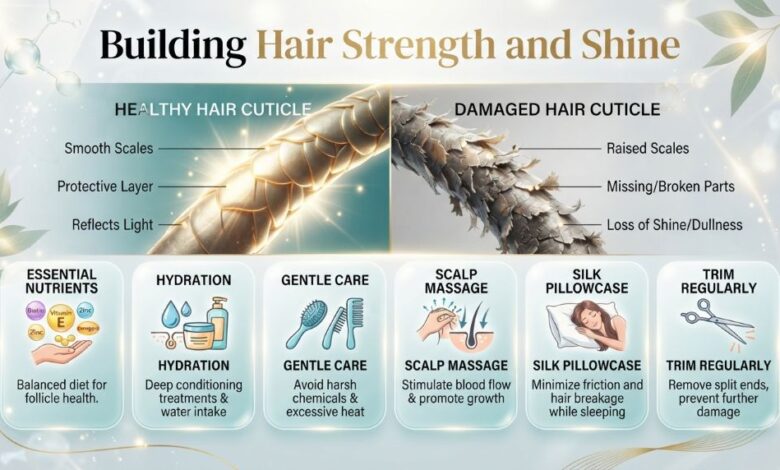
Healthy hair reflects light more evenly, giving it natural shine. This happens because a smooth hair cuticle reflects light better than a damaged one. On the other hand, damaged hair often looks dull, no matter how it is styled. Additionally, healthy hair holds curls and styles more effectively. This is because strong strands respond better to heat and product. Therefore, less effort is needed to achieve a polished look. Many people find that healthy hair requires fewer products overall. This happens because there is less damage to correct or hide. Furthermore, healthy hair tends to have less frizz and static. This makes daily styling faster and more predictable. According to hairstylists featured in Vogue, shine and movement are strong indicators of hair health. These qualities are difficult to fake with styling products alone. Instead, they come from consistent care over time. Healthy hair also grows more evenly, avoiding patchy or uneven lengths. This creates a fuller, more balanced appearance naturally. Ultimately, focusing on health creates better results than chasing trends. Good hair days become more consistent, not occasional. Therefore, prioritizing health offers both short-term and long-term styling benefits.
Scalp Health: The Foundation of Strong Hair
Many people focus only on the hair strands and forget the scalp. However, the scalp plays a major role in overall hair health. Healthy hair growth starts at the follicle, which lives in the scalp. Therefore, a clean, balanced scalp supports stronger, thicker hair over time. Product buildup can clog follicles and slow healthy growth. Additionally, an irritated or dry scalp can lead to increased shedding. According to a study published in the International Journal of Trichology, scalp inflammation is linked to hair thinning. This highlights the importance of regular scalp care. Using clarifying shampoo occasionally helps remove buildup from styling products. Gentle scalp massages can also improve blood circulation to hair follicles. This may support healthier growth over time. Furthermore, choosing sulfate-free shampoos can reduce scalp irritation for sensitive skin. Overwashing, on the other hand, can strip natural oils needed for balance. Therefore, finding the right washing frequency matters just as much as product choice. Many hairstylists now recommend scalp treatments as part of a monthly routine. This shift shows how scalp care is becoming essential, not optional. A healthy scalp truly is the foundation for long-term hair strength and growth.
Simple Habits That Support Long-Term Hair Health
Building healthy hair habits does not require a complicated routine. Small, consistent changes often make the biggest difference over time. Here are some simple habits to consider:
- Reduce heat styling frequency to two or three times weekly.
- Always apply heat protectant before using hot tools.
- Choose sulfate-free shampoos to protect natural moisture.
- Deep condition once a week for added strength.
- Trim hair regularly to prevent split ends from spreading.
- Massage the scalp to support healthy circulation.
These habits are easy to maintain and require little extra time. Additionally, they help prevent long-term damage from styling trends. Consistency matters more than intensity when building a healthy routine. Over time, these small steps lead to noticeably stronger, shinier hair.
Conclusion
Hair health is no longer a secondary concern for most people. Instead, it has become the foundation for how hair looks and feels. Styling trends may offer short-term excitement, but they often come with long-term costs. Healthy hair, on the other hand, offers lasting benefits and easier styling. Therefore, shifting focus toward health creates better results overall. Simple practices, such as scalp massage, can also complement a healthy hair-care routine. For practical guidance, explore scalp massage techniques for lymphatic drainage and hair health. If you are ready to build a stronger, healthier routine, start with small changes today. Your hair will reward you with lasting strength and shine.
Frequently Asked Questions
Why is hair health more important than trends?
Healthy hair looks better, lasts longer, and styles more easily. Trends often cause damage that outweighs their short-term appeal.
Can damaged hair be fully repaired?
Damaged hair cannot be fully repaired, but consistent care can improve its appearance and strength significantly.
How does scalp health affect hair growth?
A healthy scalp supports stronger follicles, which leads to thicker, more consistent hair growth over time.
Do I need to stop styling my hair completely?
No, you simply need to reduce frequency and add protective steps to prevent unnecessary damage.
How long does it take to see healthier hair?
Most people notice improvements within two to three months of consistent, health-focused care.